|
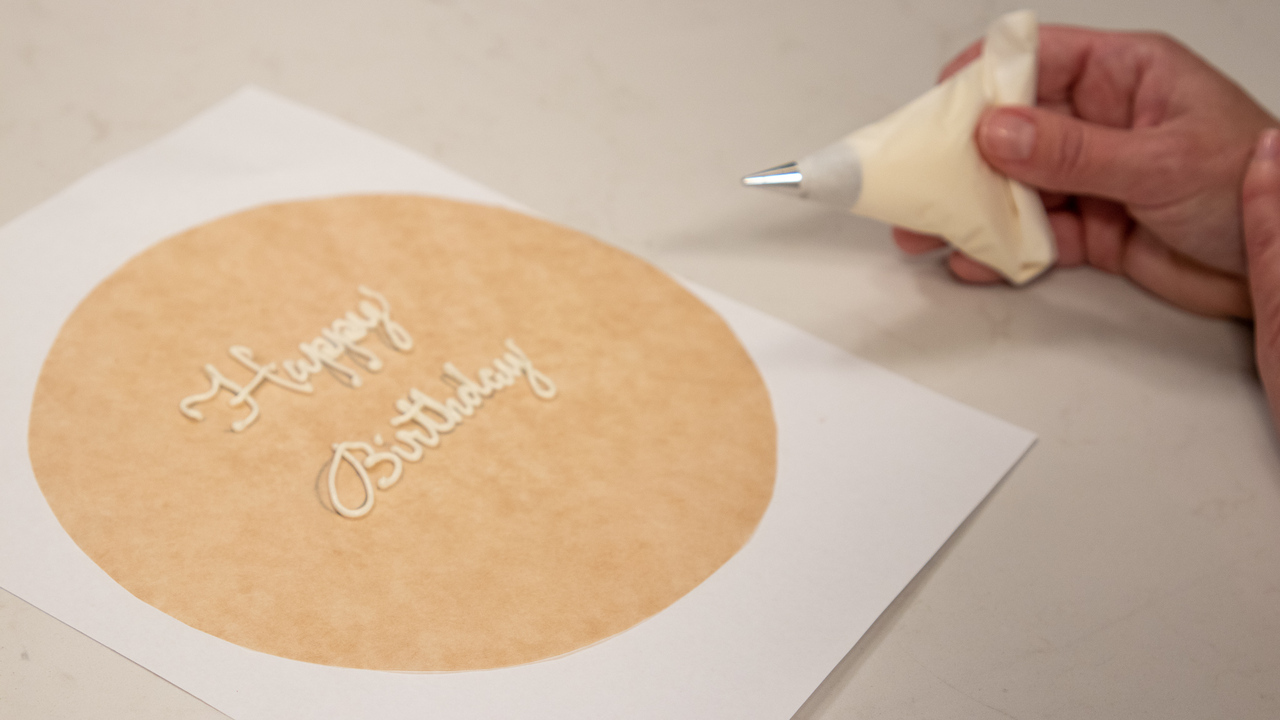
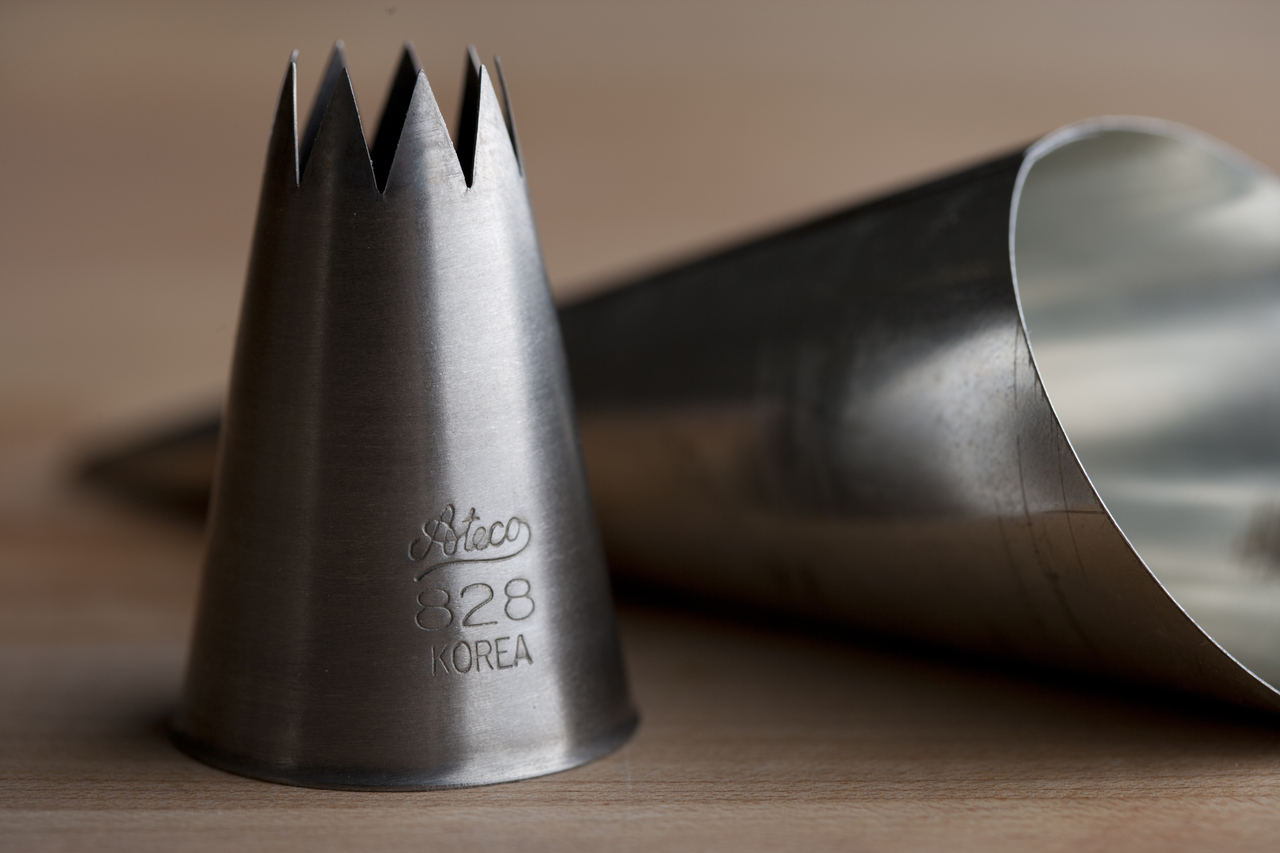
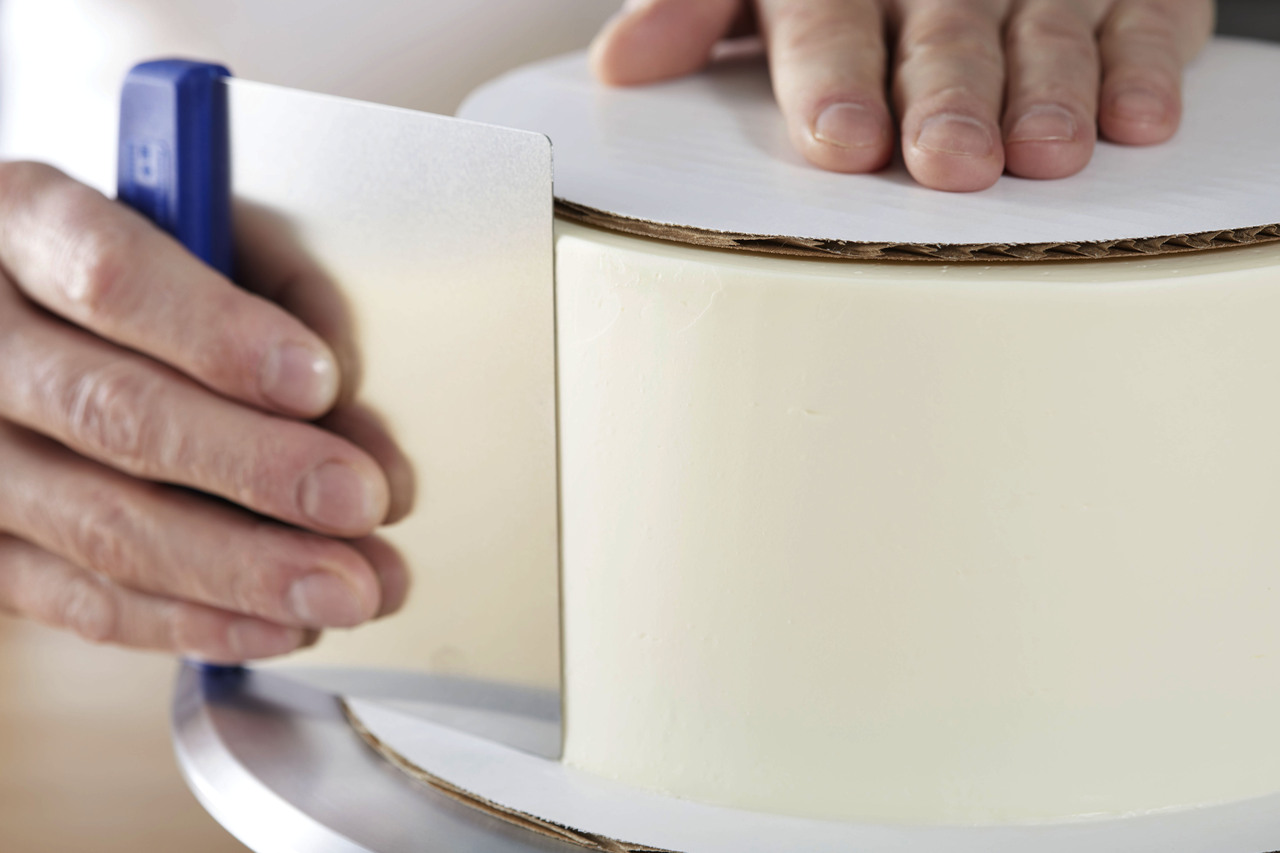
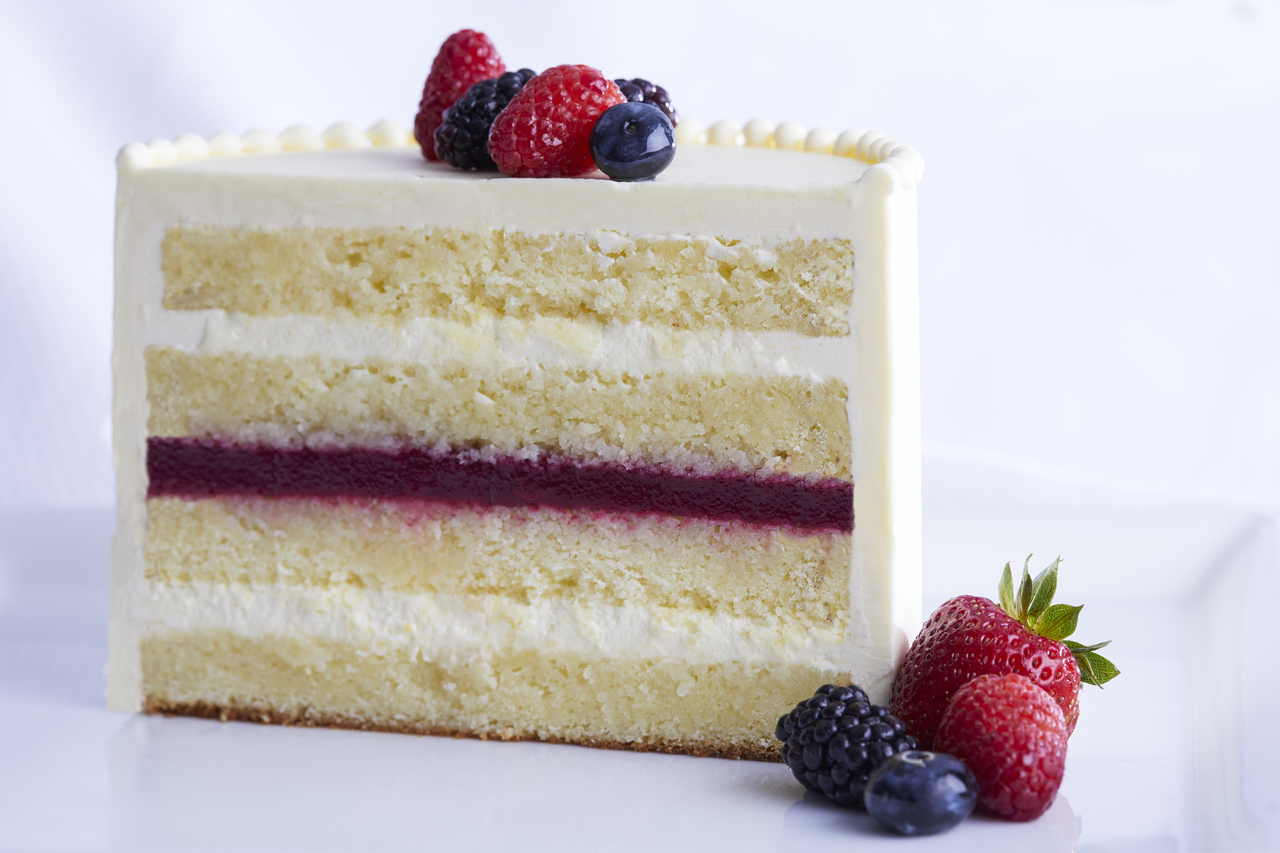
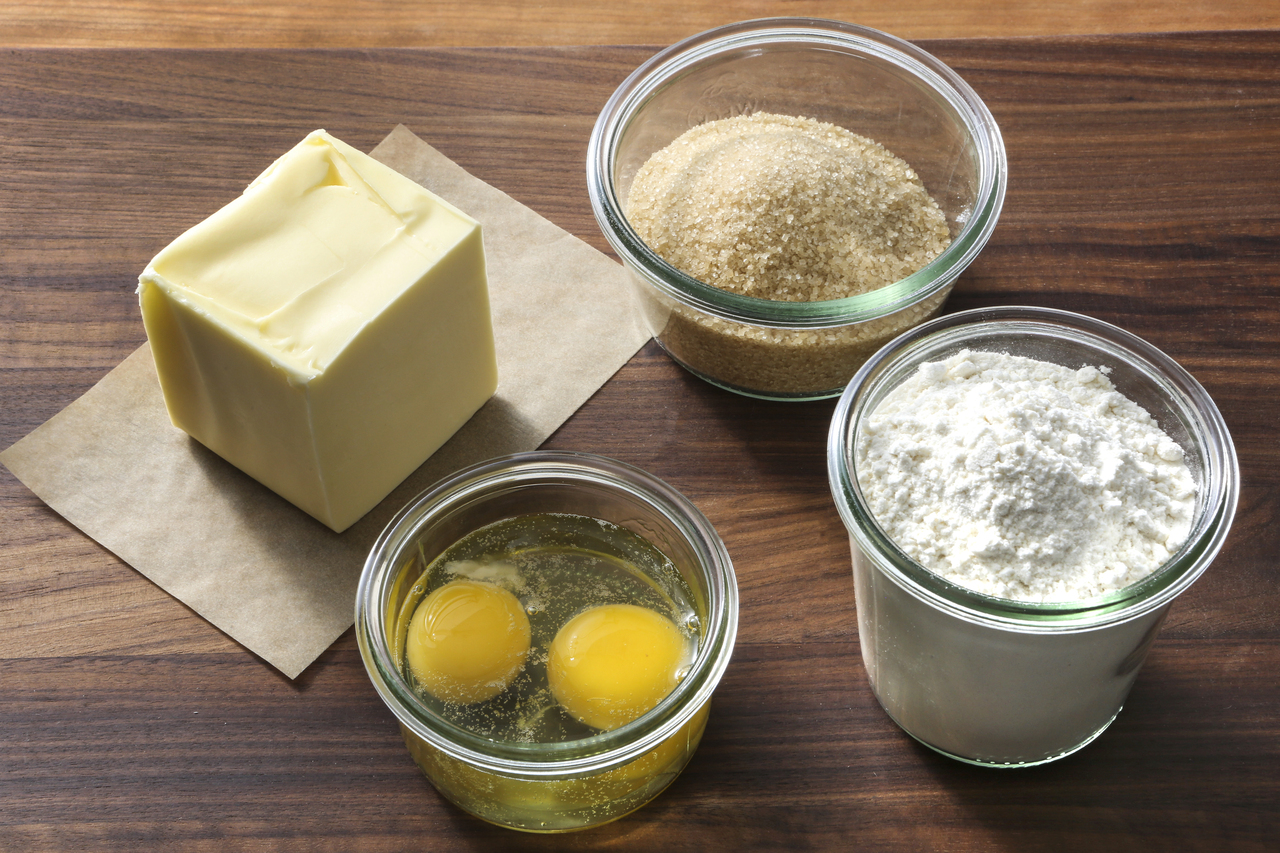
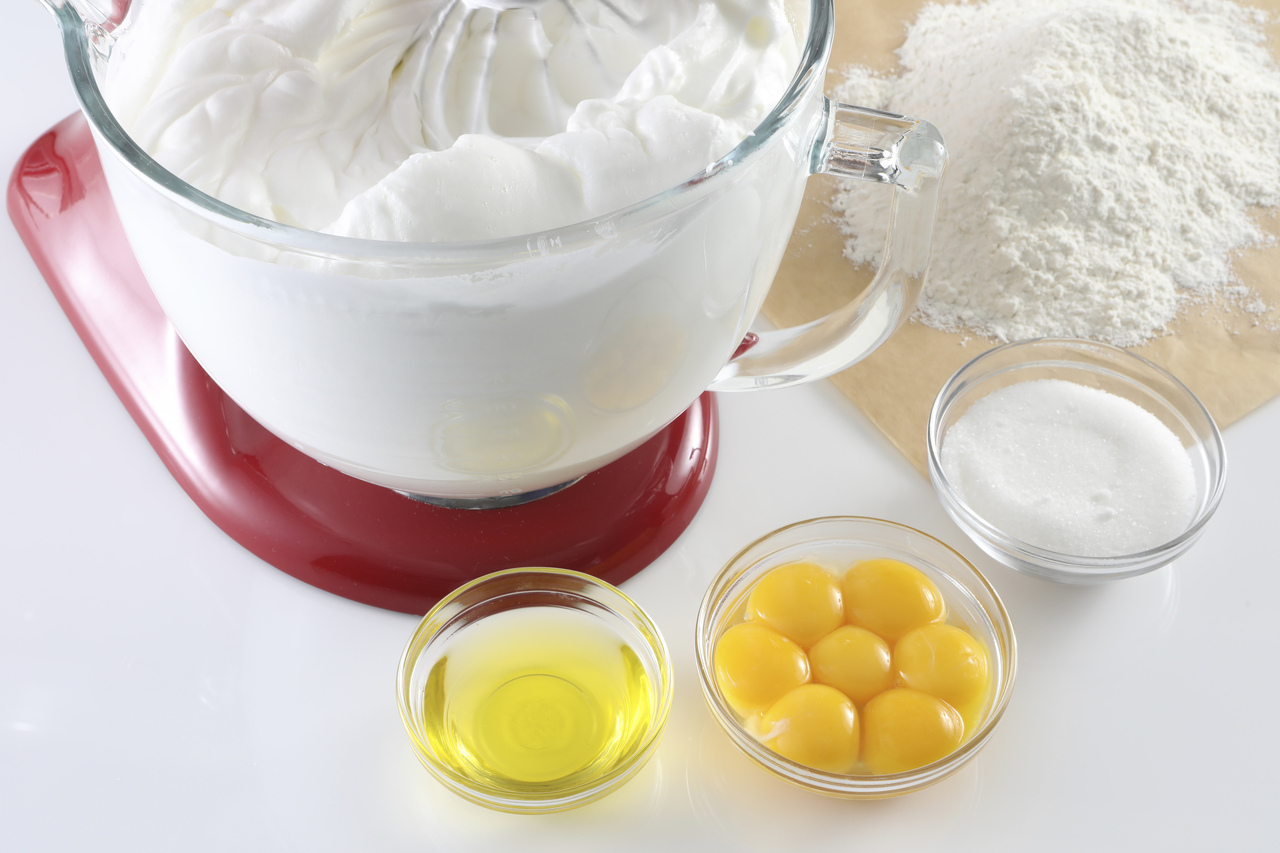
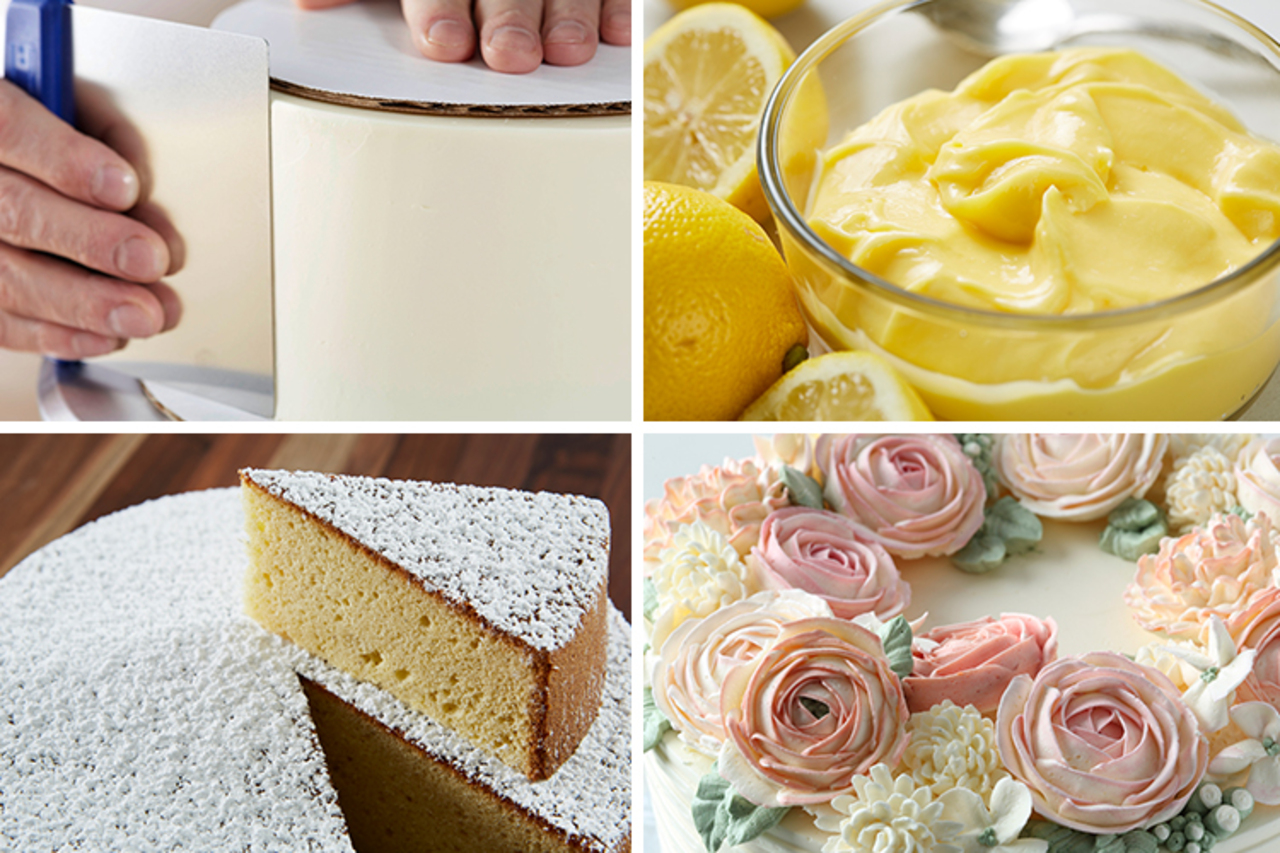
It’s important first to learn the basics; we start with the principle of making cakes, fillings, and coverings. Understanding the science and the ingredient interactions will strengthen your basic knowledge and transcend to your own personal recipe development later. |
|
|
Course Orientation
- Task 1: Welcome to Your Cake Baking and Decorating Arts Course
- Task 2: About the French Pastry School
- Task 3: Program Layout & Objectives
- Task 4: Course Expectations
- Task 5: Course Evaluations and Assessments
- Task 6: Our Expert Chef Support System
- Task 7: Key Course Resources & Master Equipment Lists
- Task 8: Cake Decorating Principles
- Task 9: The Sense of Taste
- Task 10: Set Realistic Goals & Practice Self-Discipline
- Task 11: Program Welcome Survey
|
End of Unit 1
|
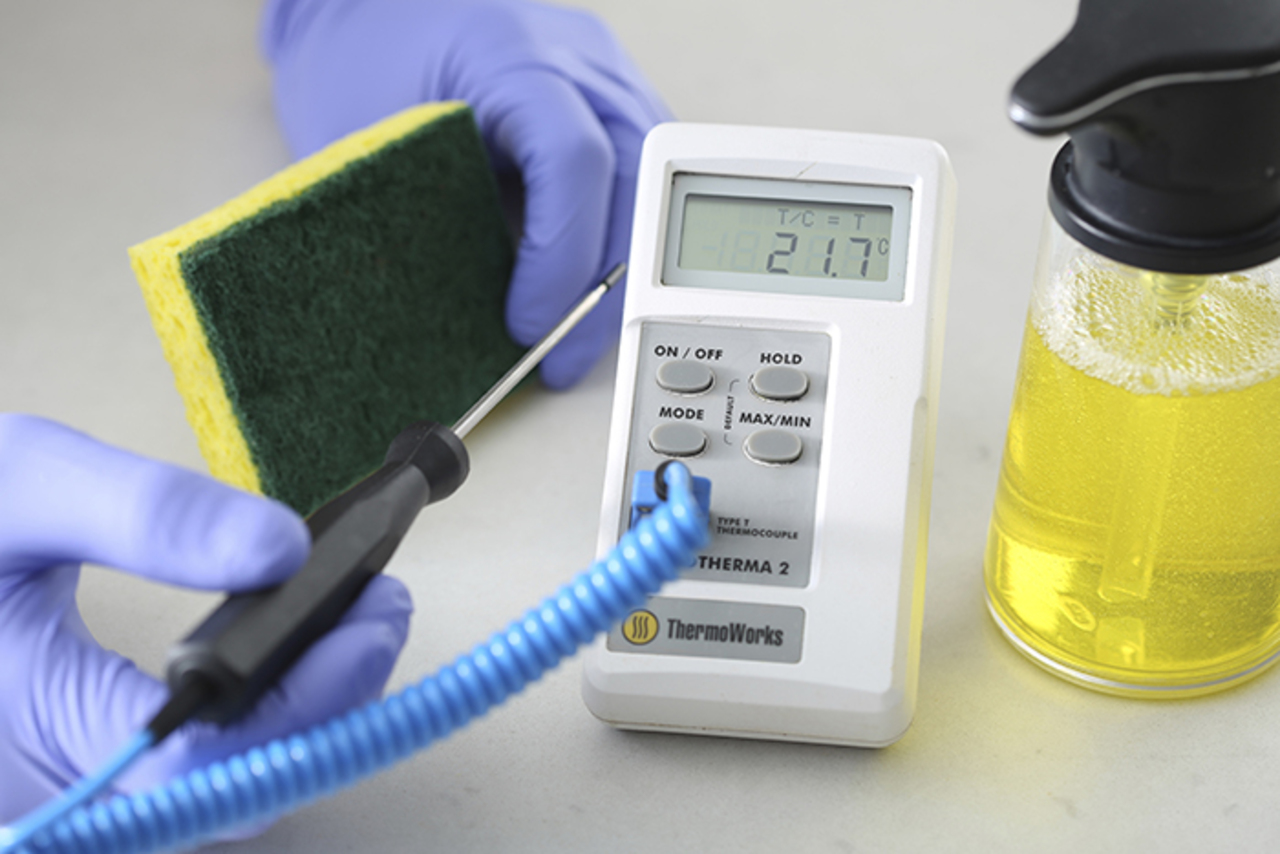
This unit contains several areas of focus: food safety, the basics of baking, and the importance of scaling. We consider these topics an essential aspect of your baking foundation. We will start with food safety or sanitation. |
|
|
Unit Introduction
- Task 12: Unit Introduction and Objectives
- Task 13: Complete a Self-Assessment & Pre-Assessment
|
|
|
Basics of Sanitation
- Task 14: Basics of Sanitation
- Task 15: Understanding Bacteria
- Task 16: Proper Cooking Temperatures, Thawing & Storing Food
- Task 17: Cake Decorating Principles: FIFO, First In, First Out
|
|
|
Basics of the Baking Process
- Task 19: Steam and Oven Vents
- Task 20: Activity | Calibrating Your Oven
- Task 21: Measuring with a Digital Scale
- Task 22: Using a Scale & Volumetric Measuring
- Task 23: Activity | Measuring Versus Scaling Flour
- Task 24: Activity | Measuring Versus Scaling Eggs
|
|
|
Unit Review & Assessment
- Task 25: Unit Review & Quiz Preparation
|
End of Unit 2
|
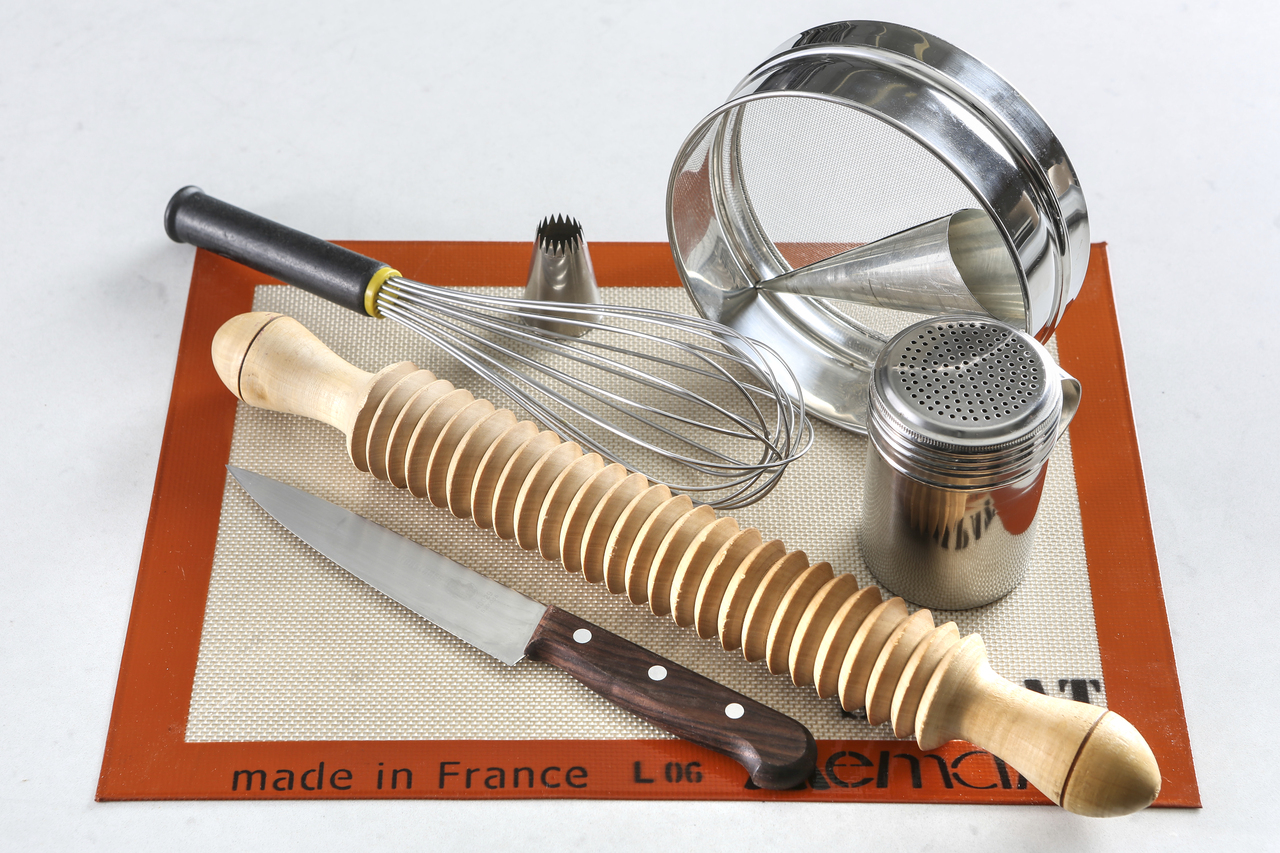
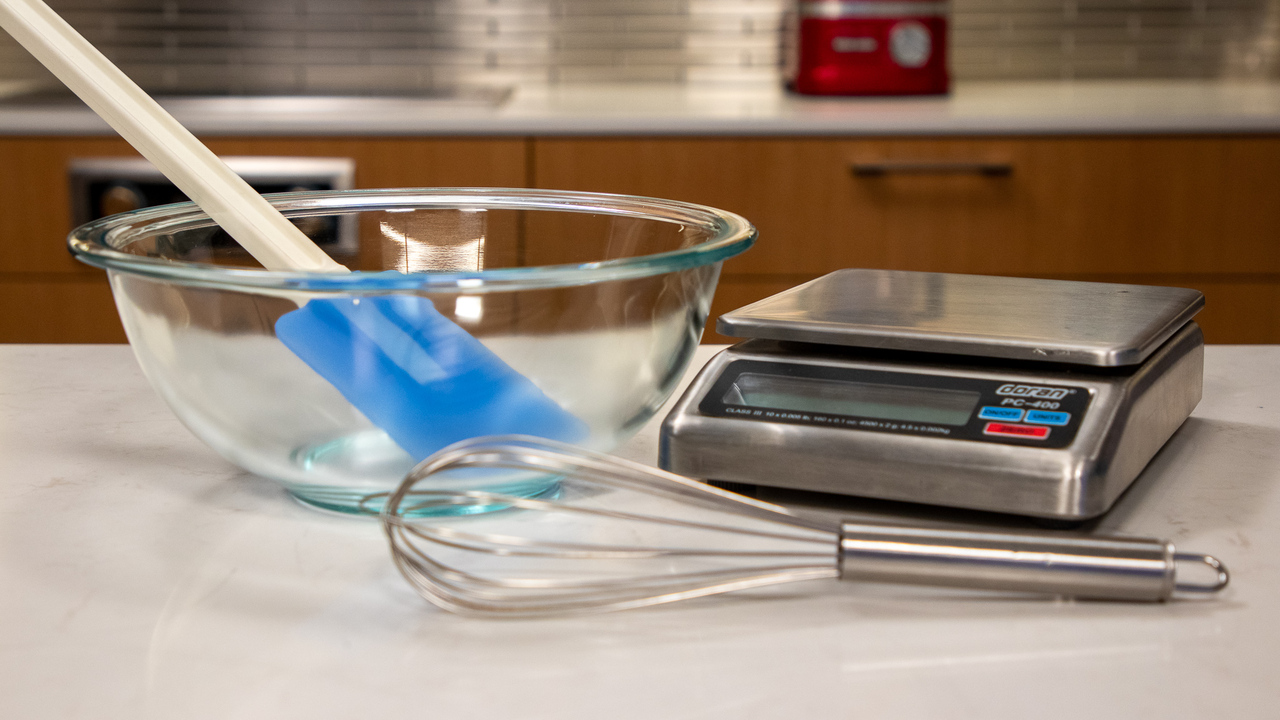
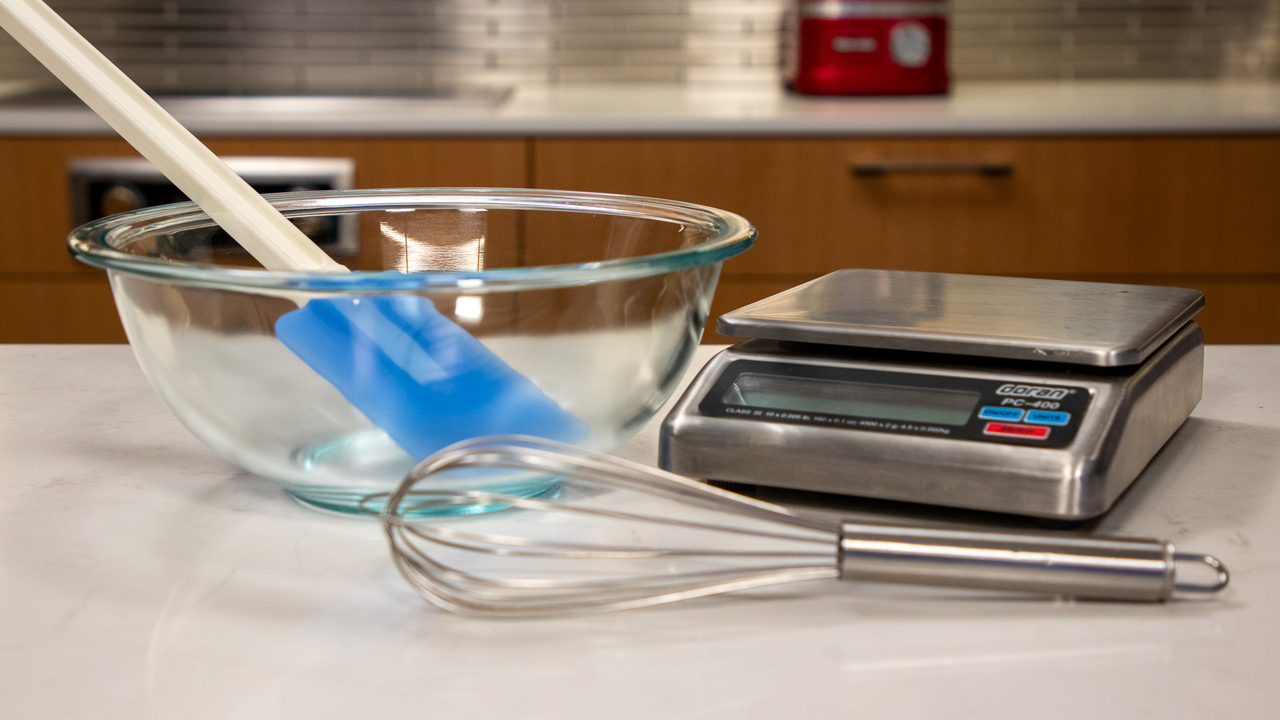
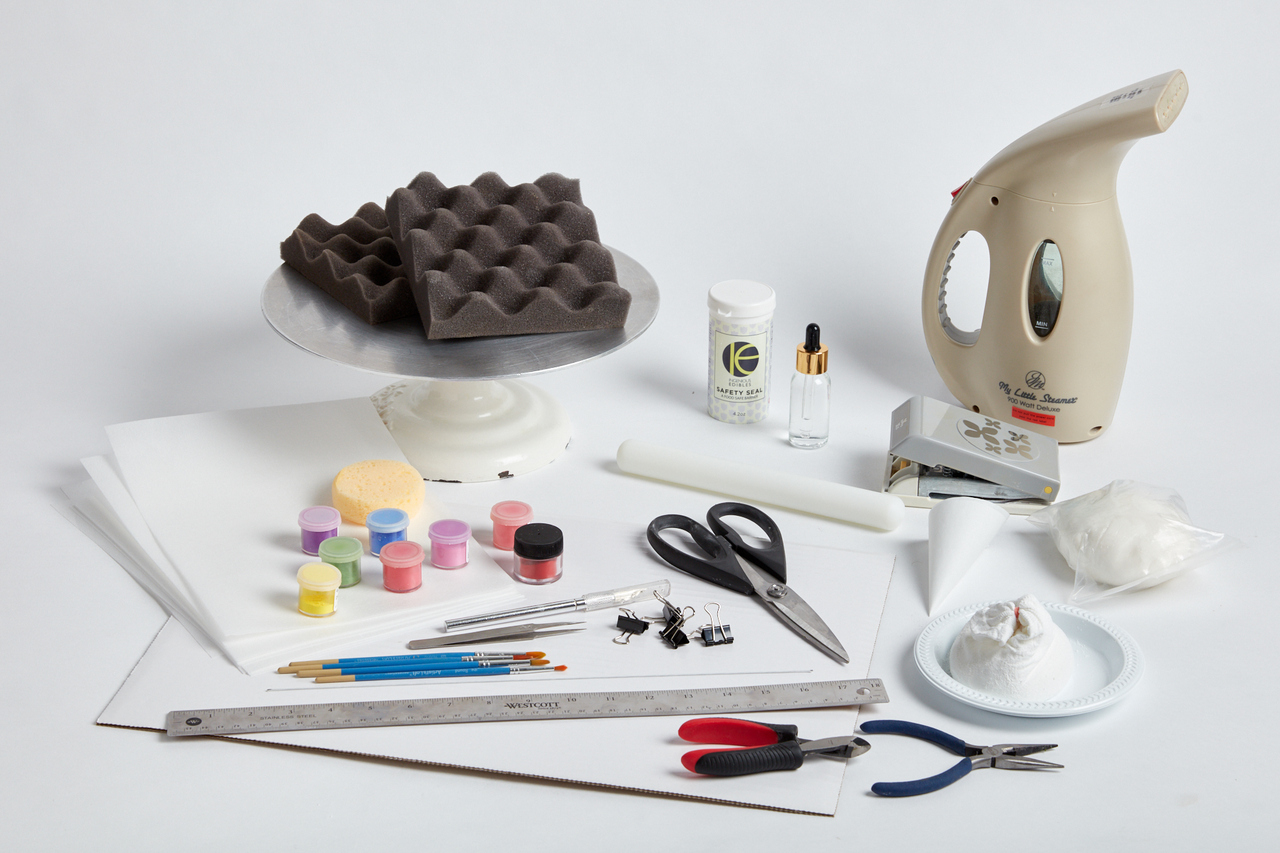
One of the essential pieces of advice we can offer is to use the right tool for the right job. Using the right tool can mean the success or failure of a recipe, so this lesson introduces you to some of the most commonly used tools in the baking kitchen.
|
|
|
Unit Introduction
- Task 27: Unit Introduction and Objectives
- Task 28: Complete a Self-Assessment & Pre-Assessment
- Task 29: Mise en Place Mindset
|
|
|
Rearrange Your Cake Decorating Kitchen and Pantry
- Task 30: Take Inventory of Your Kitchen and Pantry
- Task 31: Other Measuring Tools: Thermometers & Timers
- Task 32: Activity | Calibrate Your Thermometer
|
|
|
Cake Decorating & Gum Paste Flower Tools
- Task 33: General Cake Decorating & Gum Paste Tools
- Task 34: Gum Paste Flower Tools
- Task 35: Drying & Forming Flowers
- Task 36: Floral Accessories
- Task 38: Conditioning Gum Paste
- Task 39: Materials & Tools for Cake Decorating
- Task 40: Knives & Small Hand Tools
- Task 41: Activity | Label Basic Knives
- Task 42: Mixing Bowls, Small Appliances, Pots & Pans
- Task 43: Ring Molds, Cake Pans & Specialty Molds
- Task 44: Cake Decorating Baking Tools
- Task 45: Activity | Label Cake Decorating Tools
|
|
|
Student Activity | Setting Up Your Cake Decorating Studio
- Task 46: Activity | Create a Cake Decorating Drawer
- Task 47: Activity | Resetting Your Kitchen Space
|
|
|
The Basics of Piping
- Task 48: Introduction to Basics of Piping
- Task 49: Fitting & Filling a Pastry Bag
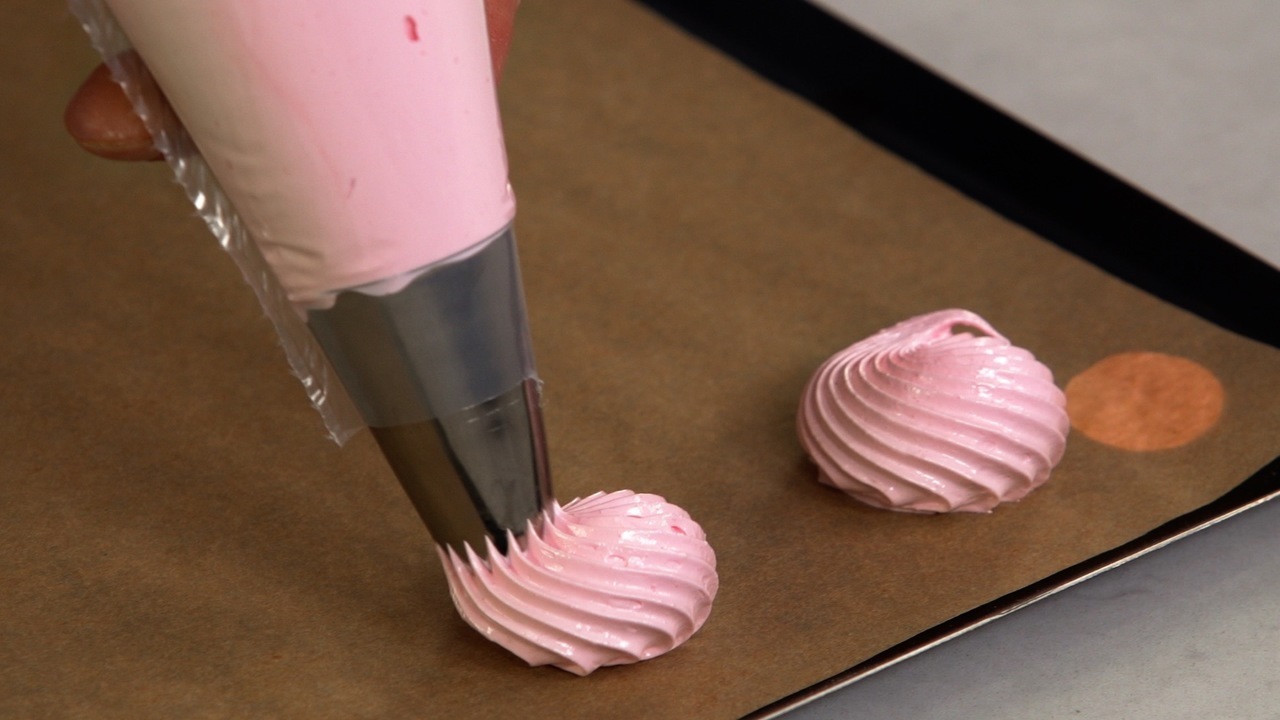
- Task 50: How to Pipe Using a Pastry Bag
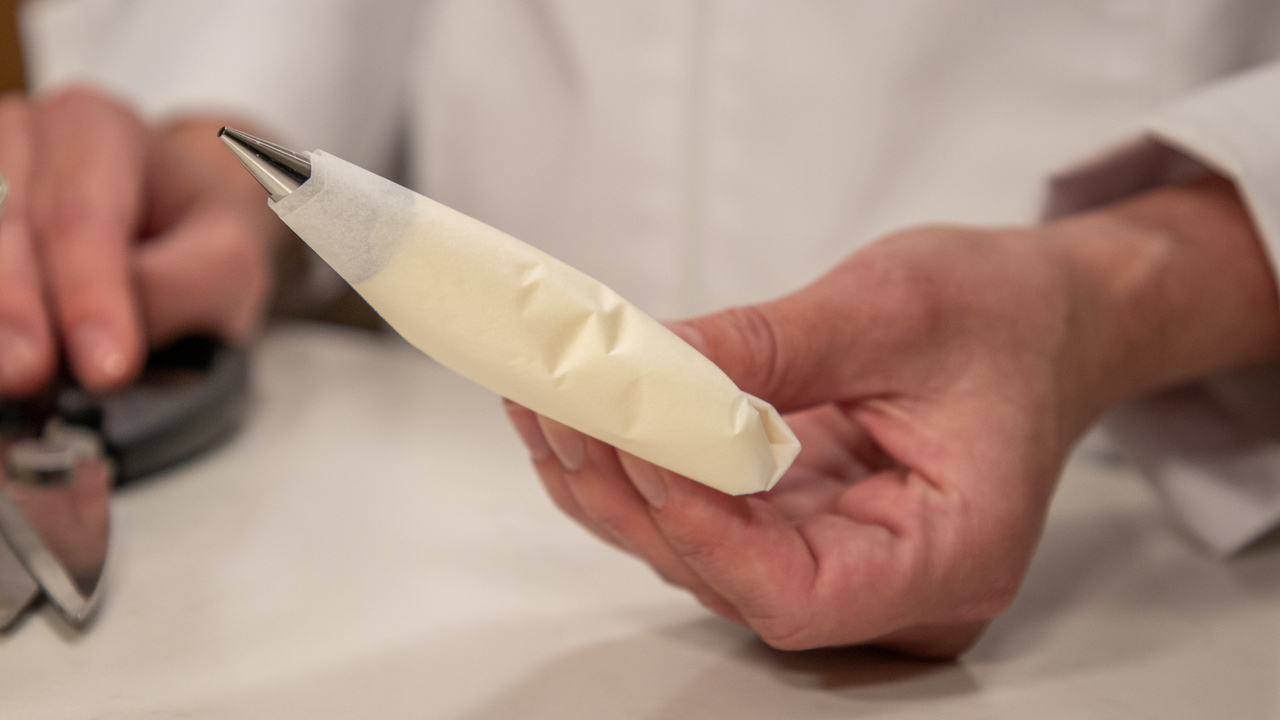
- Task 51: Paper Cones or 'Cornets'
- Task 52: Filling a Paper Cone or 'Cornet'
- Task 53: How to Pipe Using a Paper Cone or 'Cornet'
|
|
|
Unit Review & Assessment
- Task 54: Unit Review & Quiz Preparation
|
End of Unit 3
|
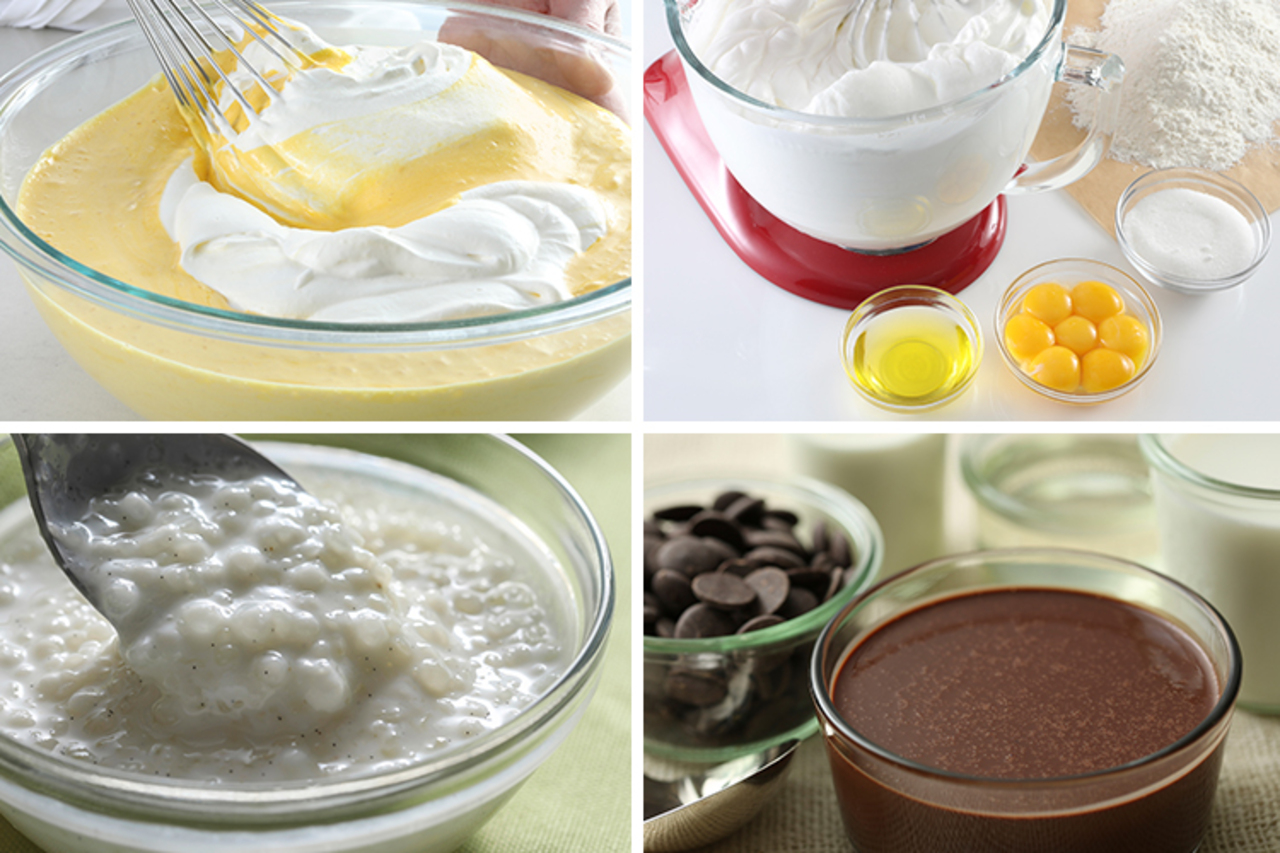
This Unit presents an overview of some of the basic food science principles used in cake baking, filling, and frosting making while helping you comprehend what factors make a baked product succeed or fail. |
|
|
Unit Introduction
- Task 56: Unit Introduction and Objectives
- Task 57: Complete a Self-Assessment & Pre-Assessment
- Task 58: The Importance of Food Science
|
|
|
General Baking Principles
- Task 59: A Balanced Recipe
- Task 61: Fats, Ratios & Stabilizing Water and Fat
- Task 62: Types of Wheat Flour & Their Purpose in Baking
|
|
|
What is Sugar?
- Task 64: Sugar and Sugar Syrups - Simple Syrup
- Task 65: Solid Content & Sweetening Power of Sugars
- Task 66: The Role of Sugar In Recipes
- Task 67: The Maillard Reaction
|
|
|
The Basics of Eggs
- Task 68: The Basics of Eggs
- Task 69: The Role of Eggs in Baking
|
|
|
Butter and Fats
- Task 70: Basics of Butter
- Task 72: Alternative Fats & Oils
|
|
|
Basics of Milk & Cream
- Task 73: Basics of Milk & Cream
|
|
|
Student Activity | Make Your Own Cake or Cupcake
- Task 74: Activity | Make Your Own Cake or Cupcake
|
|
|
Unit Review & Assessment
- Task 75: Unit Review & Quiz Preparation
|
End of Unit 4
|
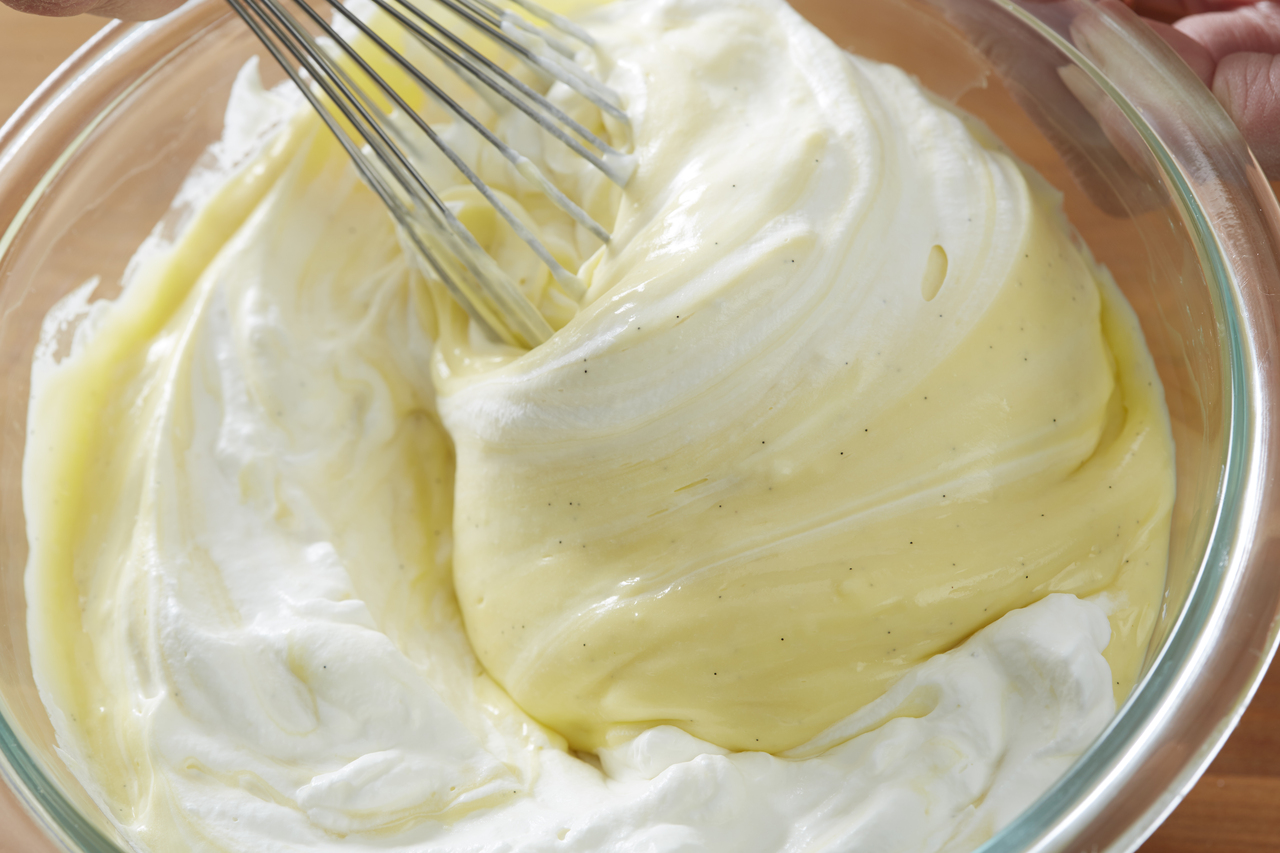
In this unit, we’ll introduce the types of sponges, beginning with hot and cold process Génoise and American-style sponges, like dark chocolate, red velvet, and white cakes.
|
|
|
Unit Introduction
- Task 77: Unit Introduction and Objectives
- Task 78: Complete a Self-Assessment & Pre-Assessment
|
|
|
Cake Decorating Principles | Sponges
- Task 79: Cake Decorating Principles | Sponges
- Task 80: Introduction to Hot Process Sponge
- Task 81: Introduction to Cold Process Sponge
- Task 82: Introduction to American-Style Sponges
|
|
|
Student Activity | Make Two Sponges
- Task 83: Activity | Make Two Sponge Cakes, Store for Later Units
|
|
|
Unit Review & Assessment
- Task 84: Unit Review & Quiz Preparation
|
End of Unit 5
|
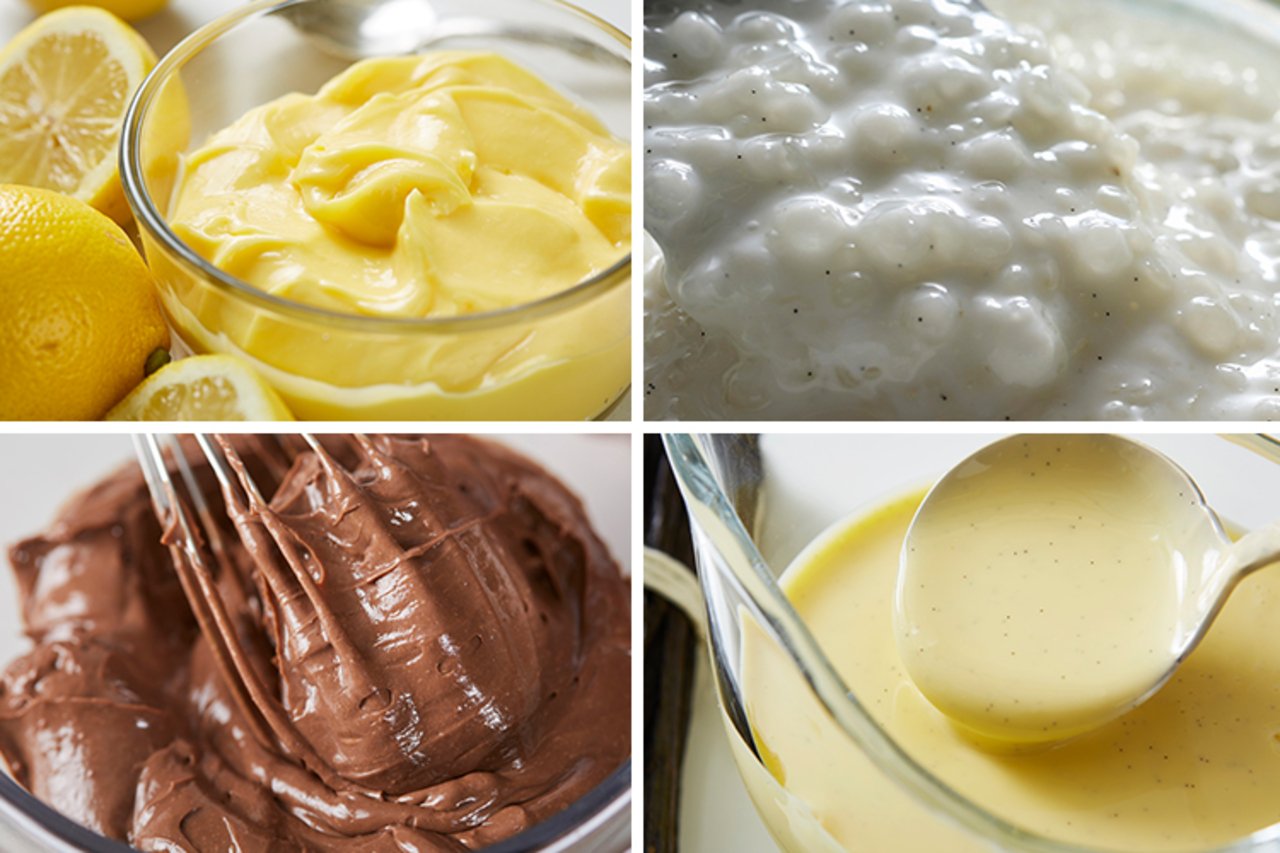
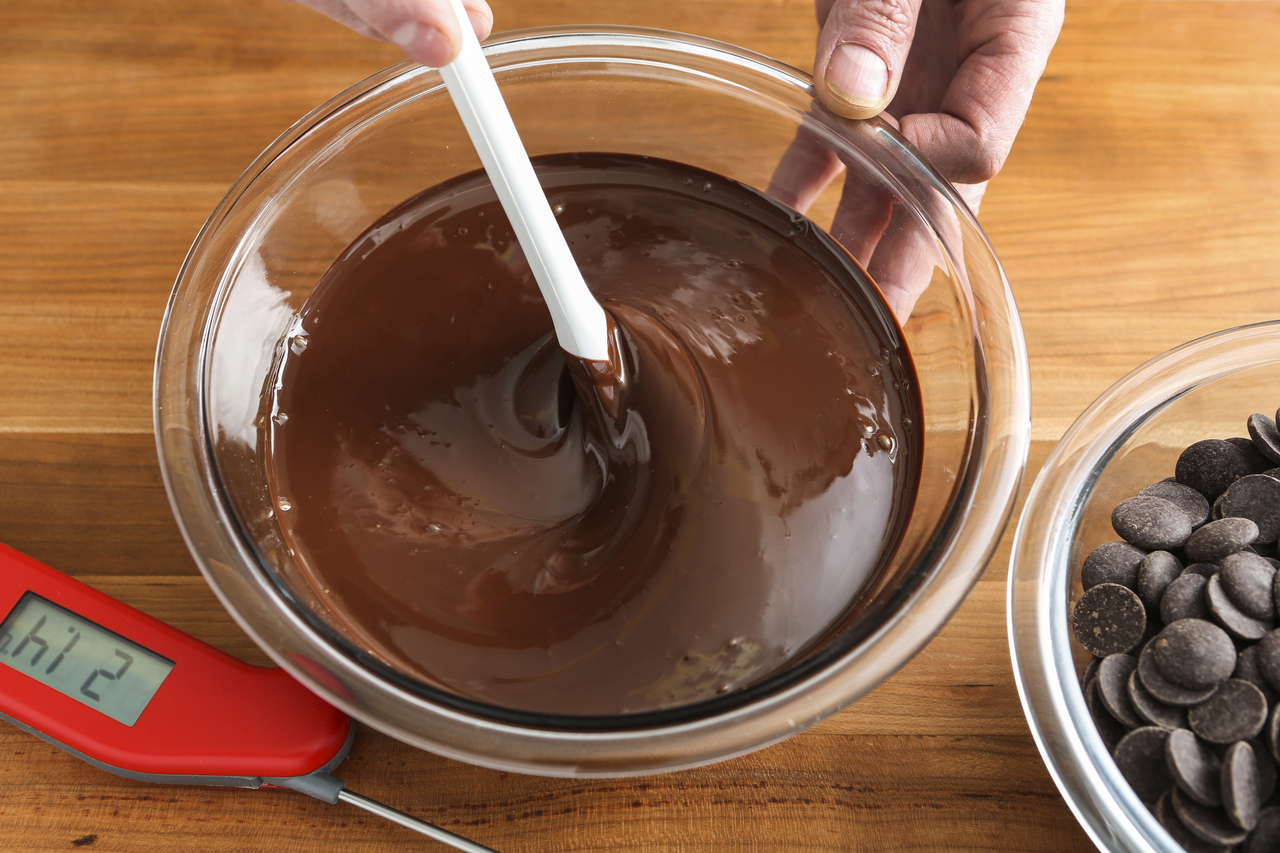
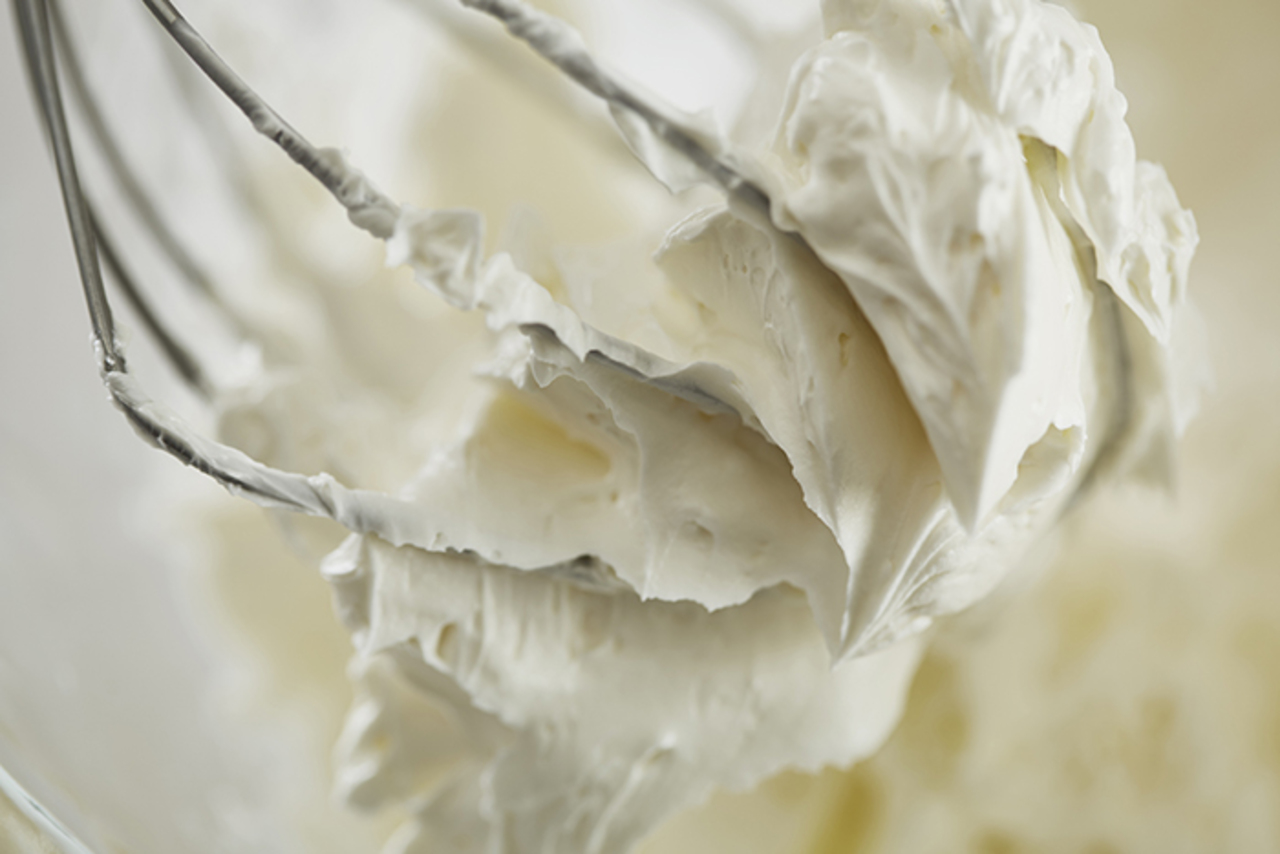
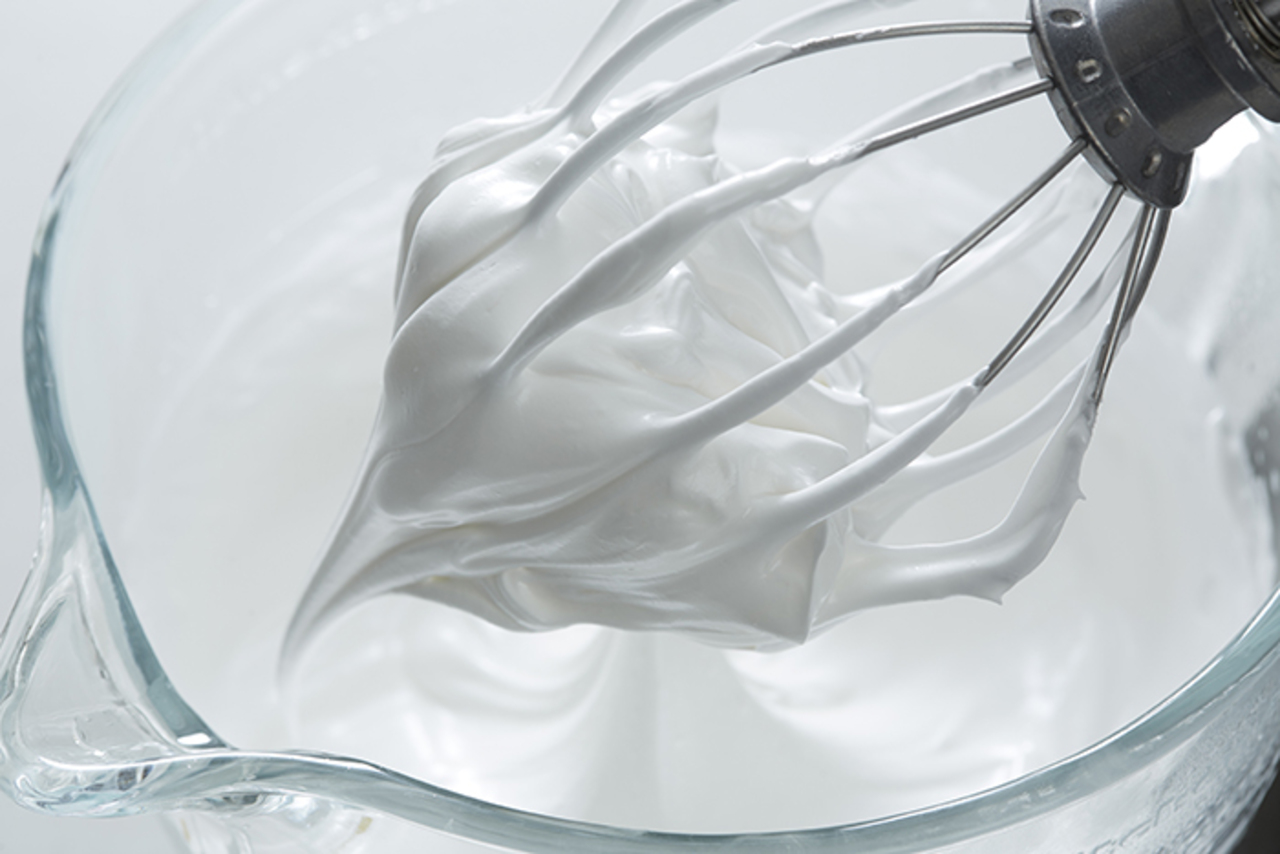
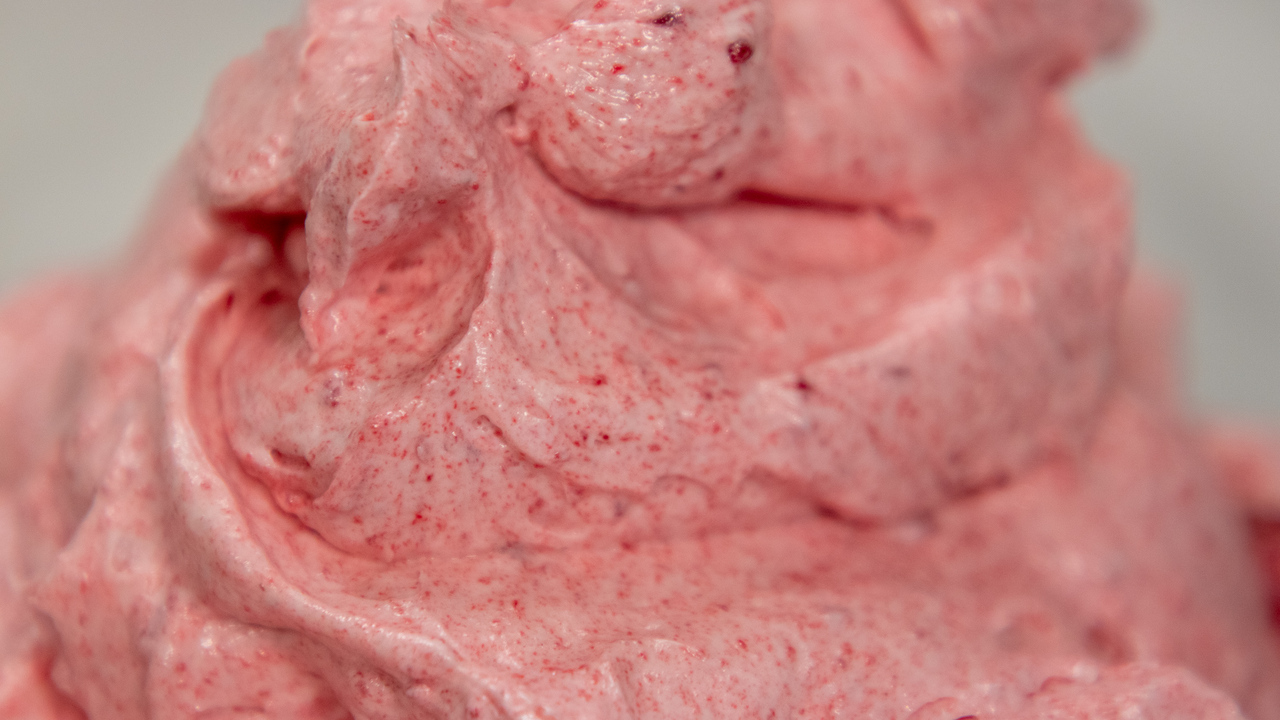
In this Unit, we’ll explore various types of fillings in this unit, like lemon cream and crème légère, then move onto five kinds of frostings, including buttercream, cream cheese, and chocolate glaze. |
|
|
Unit Introduction
- Task 86: Unit Introduction and Objectives
- Task 87: Complete a Self-Assessment & Pre-Assessment
|
|
|
Cake Decorating Principles | Types of Fillings
- Task 88: Cake Decorating Principles | Types of Fillings
- Task 89: Simple Syrup or Soaking Syrup
- Task 90: Introduction to Lemon Cream
- Task 91: Introduction to Crème Légère
- Task 92: Introduction to Vanilla Pastry Cream Custard
|
|
|
Cake Decorating Principles | Traditional Ganaches
- Task 93: Traditional Ganaches
- Task 94: Introduction to Bittersweet Dark Chocolate Ganache Filling
- Task 95: Introduction to Milk Chocolate Ganache Filling
|
|
|
Cake Decorating Principles | Types of Buttercream & Frostings
- Task 96: Types of Buttercream & Frostings
- Task 97: Introduction to French Buttercream
- Task 98: Introduction to Italian Meringue Buttercream
- Task 99: Introduction to Swiss Buttercream
- Task 100: Introduction to Dark Chocolate Frosting
- Task 101: Re-Order Activity: Swiss Buttercream Sequence
- Task 102: Introduction to Cream Cheese Frosting
- Task 103: Introduction to Dark Chocolate Glaze
|
|
|
Cake Decorating Principles | How to Flavor Buttercream
- Task 104: Flavoring Buttercream
|
|
|
Introduction | Whole Caramelized Nuts
- Task 105: Whole Caramelized Nuts
|
|
|
Student Activity | Make a Filling & Buttercream
- Task 106: Activity | Make a Filling & Buttercream
|
|
|
Unit Review & Assessment
- Task 107: Unit Review & Quiz Preparation
- Task 108: Unit Assessment
|
End of Unit 6
|
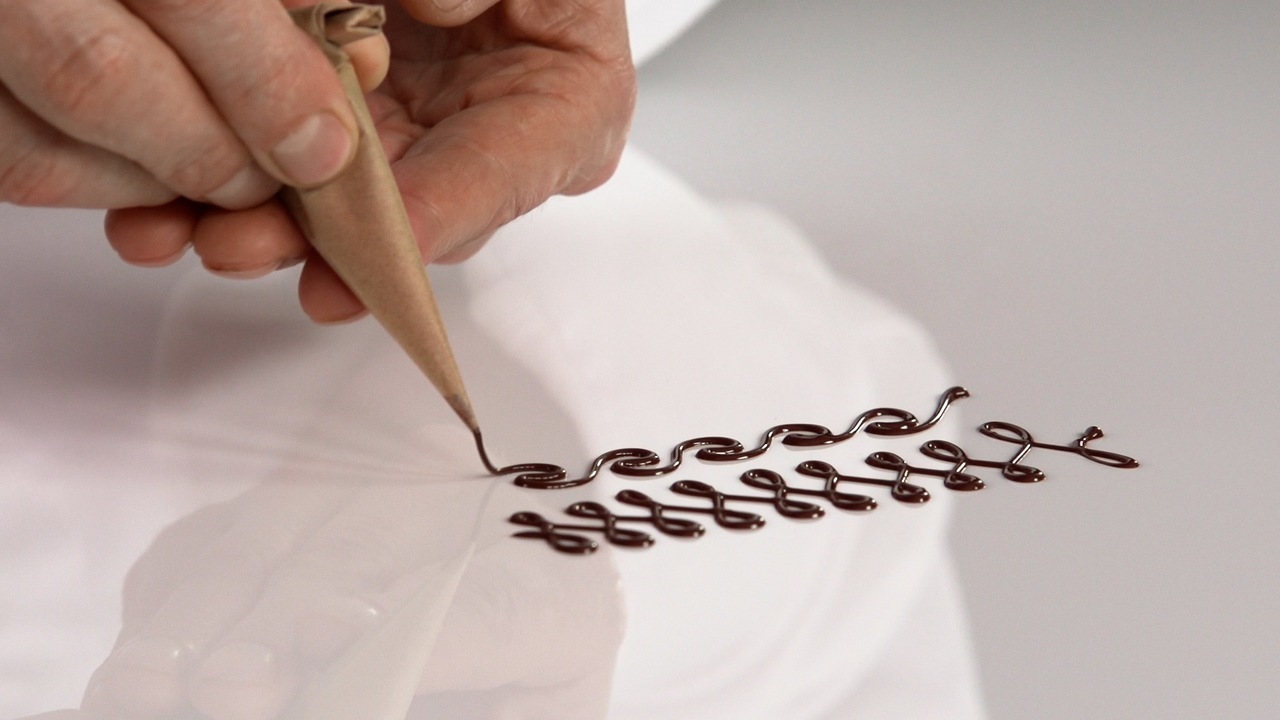
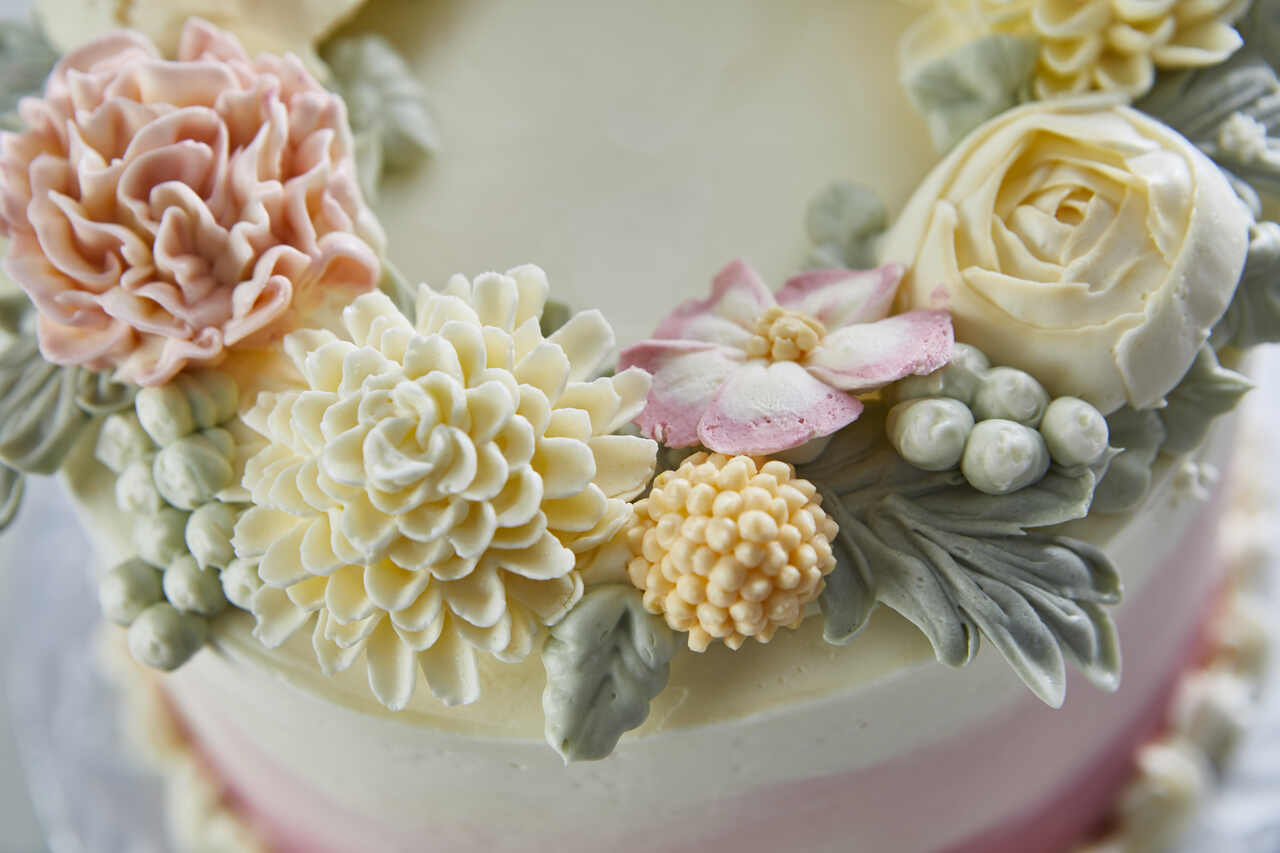
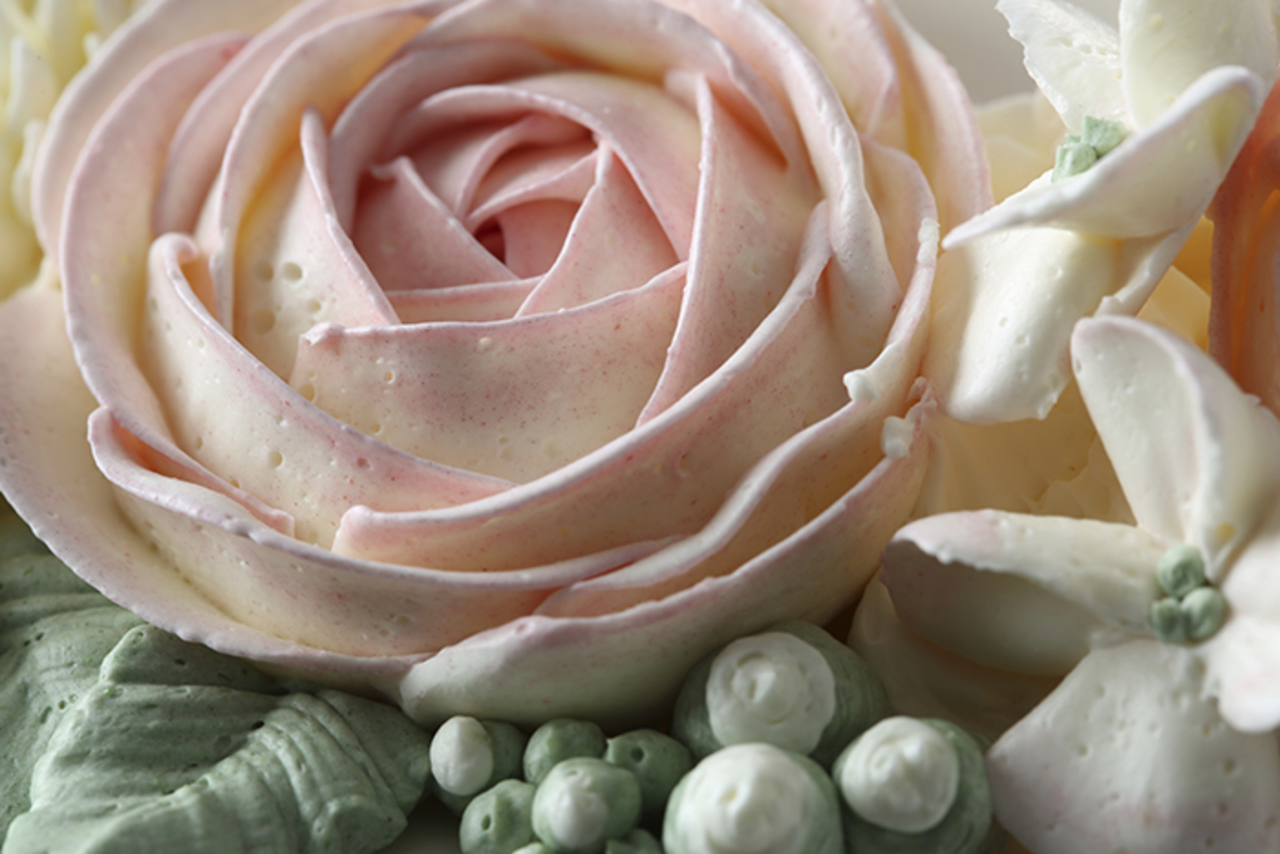
We’ll begin unit 9 by demonstrating essential piping techniques using buttercream, then teach the techniques of piping inscriptions using a cornet or parchment paper cone and chocolate. Finally, you’ll learn how to pipe buttercream flowers, an advanced piping skill that uses a flower nail and parchment paper squares. |
|
|
Unit Introduction
- Task 109: Unit Introduction and Objectives
- Task 110: Complete a Self-Assessment & Pre-Assessment
|
|
|
Cake Decorating Principles | Basic Piping with Buttercream
- Task 111: Basic Piping with Buttercream
- Task 112: Piping Buttercream Dots, Pearls, and Bead Borders
- Task 113: Piping Buttercream Cornelli Lace
- Task 114: Piping Buttercream Stars
- Task 115: Piping Buttercream Rosettes
- Task 116: Piping a Buttercream Shell Border & Reverse Shell
- Task 117: Piping a Buttercream Zigzag & Zigzag Garland
- Task 118: Piping Buttercream Leaves
- Task 119: Piping a Buttercream Basketweave Pattern
- Task 120: Piping Buttercream Ruffles & Ruffle Garland
- Task 121: Piping a Buttercream Swag
- Task 122: Buttercream Piping on a Cake & Practicing
|
|
|
Cake Decorating Principles | Using a Cornet
- Task 123: Cake Decorating Principles | Using a Cornet
- Task 124: Writing in Chocolate & Buttercream
|
|
|
Introduction to Buttercream Piped Flowers
- Task 125: Introduction to Buttercream Piped Flowers
- Task 126: Buttercream Blossoms
- Task 127: Buttercream Ranunculi
- Task 128: Buttercream Carnations
- Task 129: Buttercream Mums
- Task 130: Flower Arrangement
|
|
|
Cake Decorating Principle | Making a Piping Practice Board, optional
- Task 131: Cake Decorating Principle | Making a Piping Practice Board, optional
|
|
|
Unit Review & Assessment
- Task 132: Unit Review & Quiz Preparation
- Task 133: Unit Assessment
|
End of Unit 7
|
In this unit, you will learn the fundamentals of how to build and stack a two-tiered cake with stability and accuracy.
|
|
|
Unit Introduction
- Task 134: Unit Introduction and Objectives
- Task 135: Complete a Self-Assessment & Pre-Assessment
|
|
|
Cake Decorating Principles | Building a Buttercream Cake
- Task 136: Building a Buttercream Cake
- Task 137: Torting the Cakes
- Task 138: Filling Each Cake
- Task 139: Applying the Crumb Coat
- Task 140: The Final Buttercream Coat
- Task 141: Stacking the Cakes
- Task 142: Finishing the Details
|
|
|
Student Activity | Assemble a Buttercream Cake
- Task 143: Activity | Assemble a Buttercream Cake
|
|
|
Unit Review & Assessment
- Task 144: Unit Review & Quiz Preparation
- Task 145: Unit Assessment
|
End of Unit 8
|
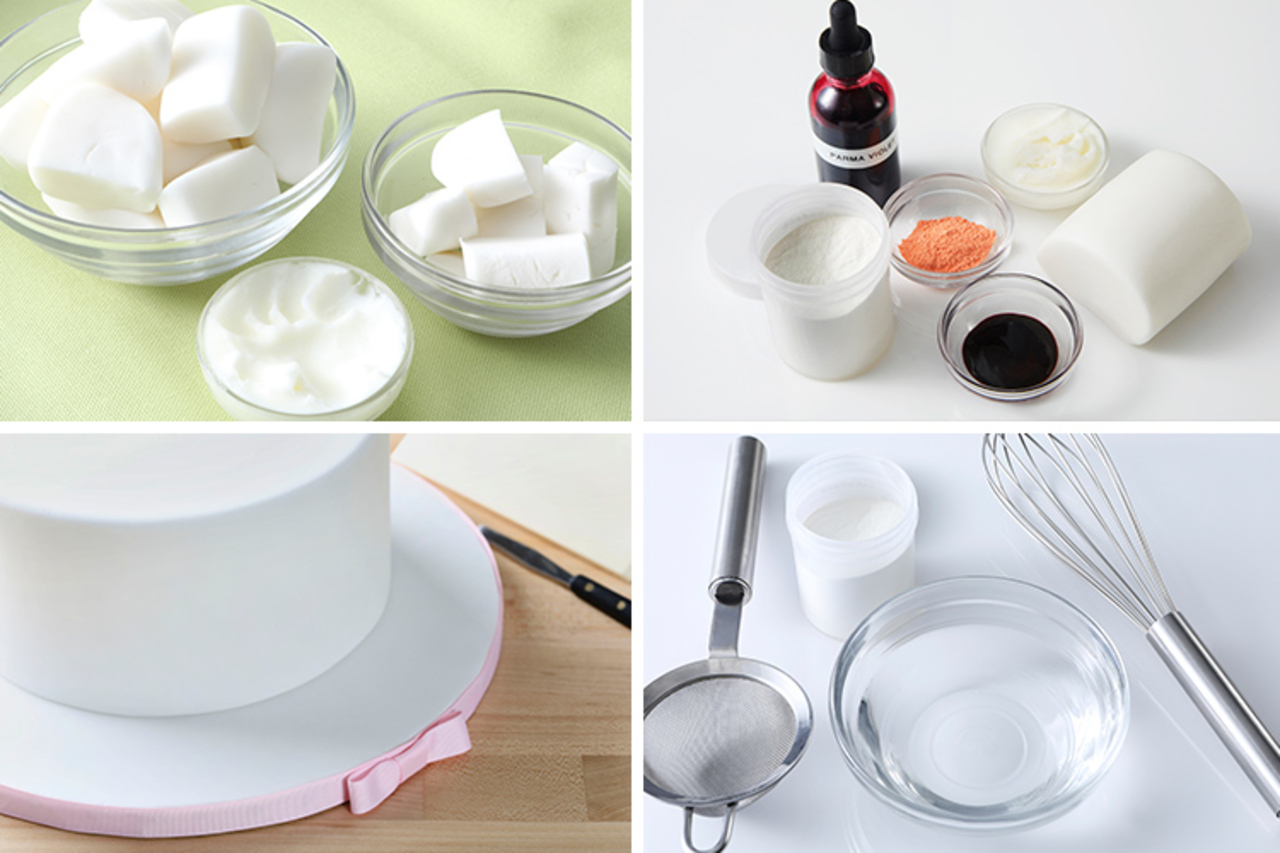
In this unit, you’ll practice all things fondant. First, you’ll learn a quick rolled fondant recipe, then practice applying this covering on a cake. We also include a recipe that teaches how to modify rolled fondant to manipulate it for future cake decorating projects. |
|
|
Unit Introduction
- Task 146: Unit Introduction and Objectives
- Task 147: Complete a Self-Assessment & Pre-Assessment
|
|
|
Cake Decorating Principles | Rolled Fondant Making
- Task 148: Making Rolled Fondant Making & Coloring
|
|
|
Cover a Cake & Cake Board in Rolled Fondant
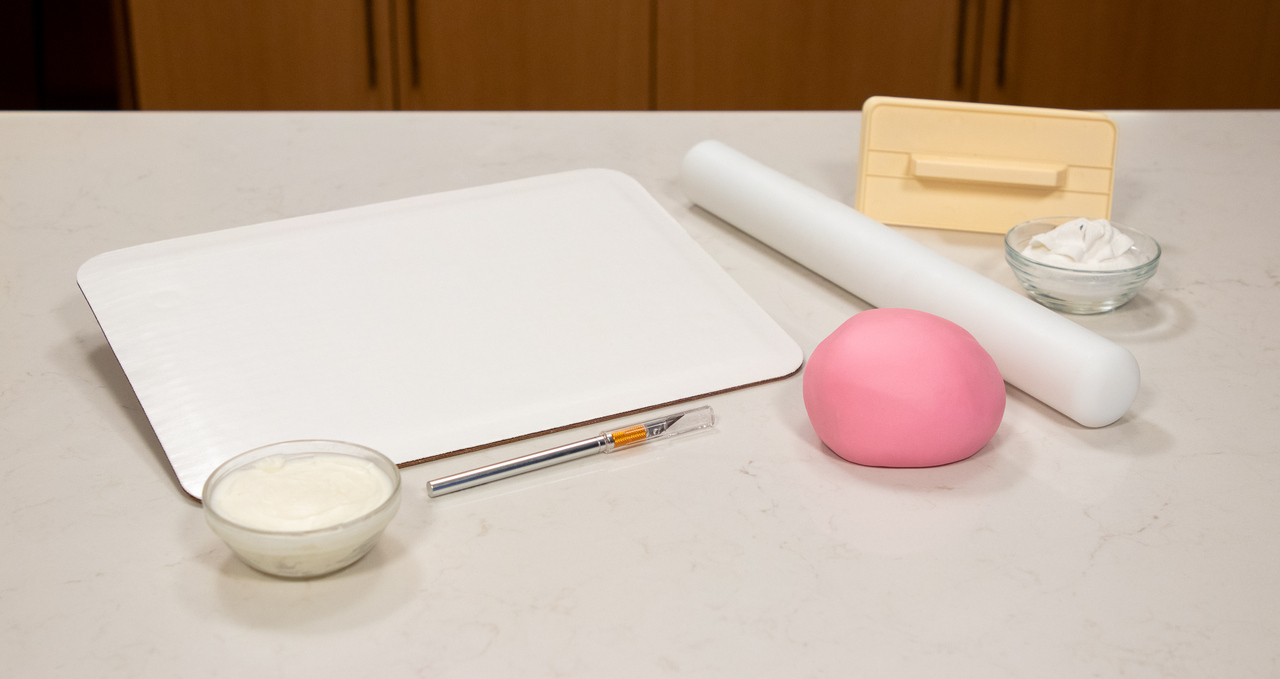
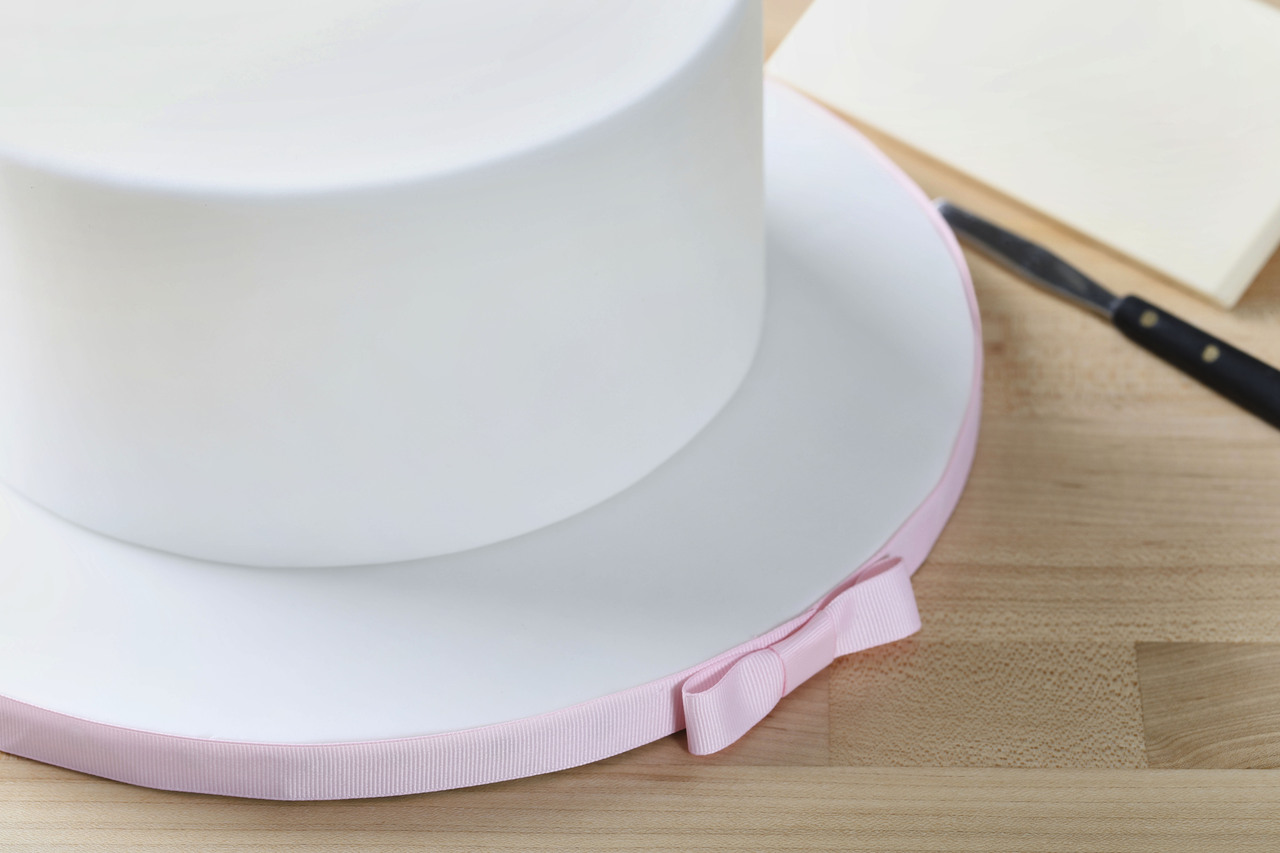
- Task 149: Cover a Cake & Cake Board in Rolled Fondant
|
|
|
Cake Decorating Principles | Modified Fondant
- Task 150: Cake Decorating Principles | Modified Fondant
|
|
|
Student Activity | Make Rolled Fondant
- Task 151: Activity | Make Rolled Fondant
|
|
|
Unit Review & Assessment
- Task 152: Unit Review & Quiz Preparation
- Task 153: Unit Assessment
|
End of Unit 9
|
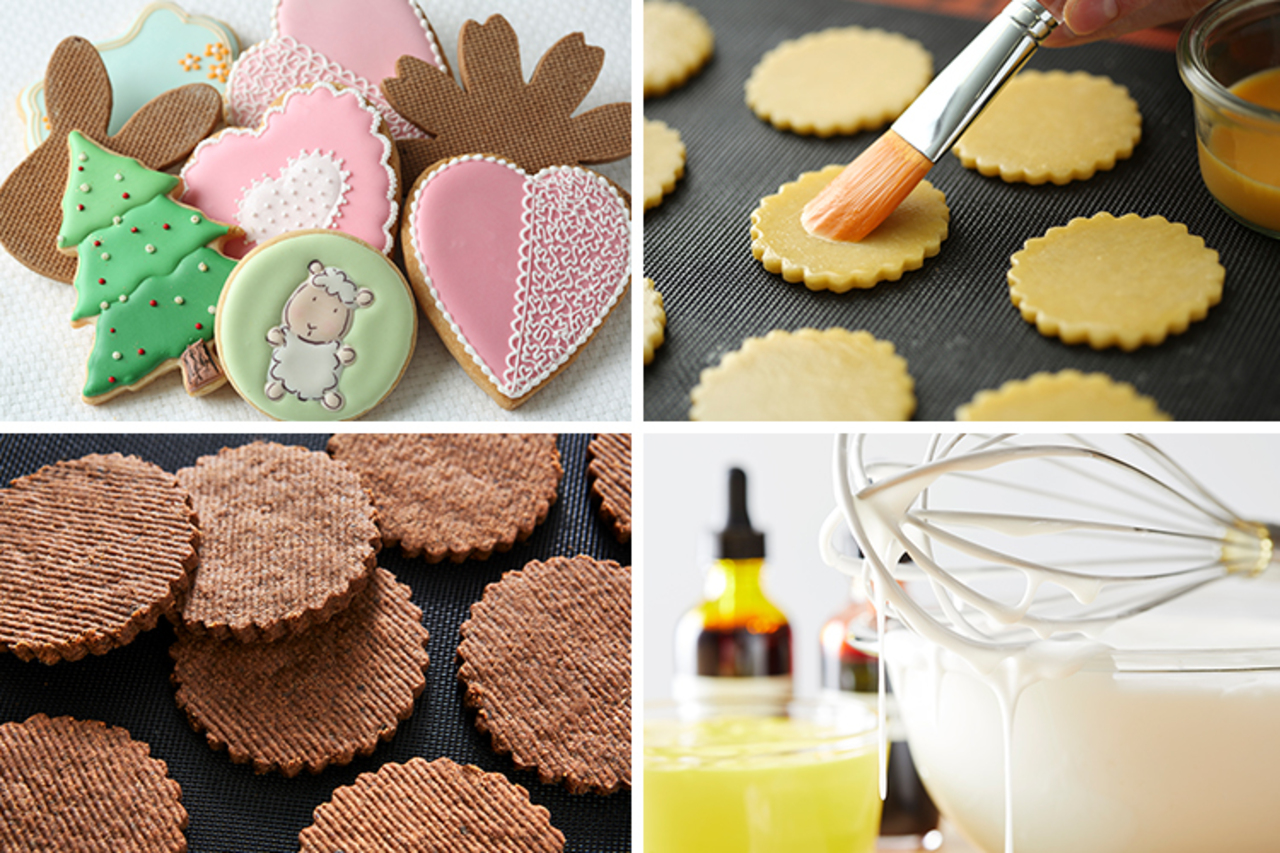
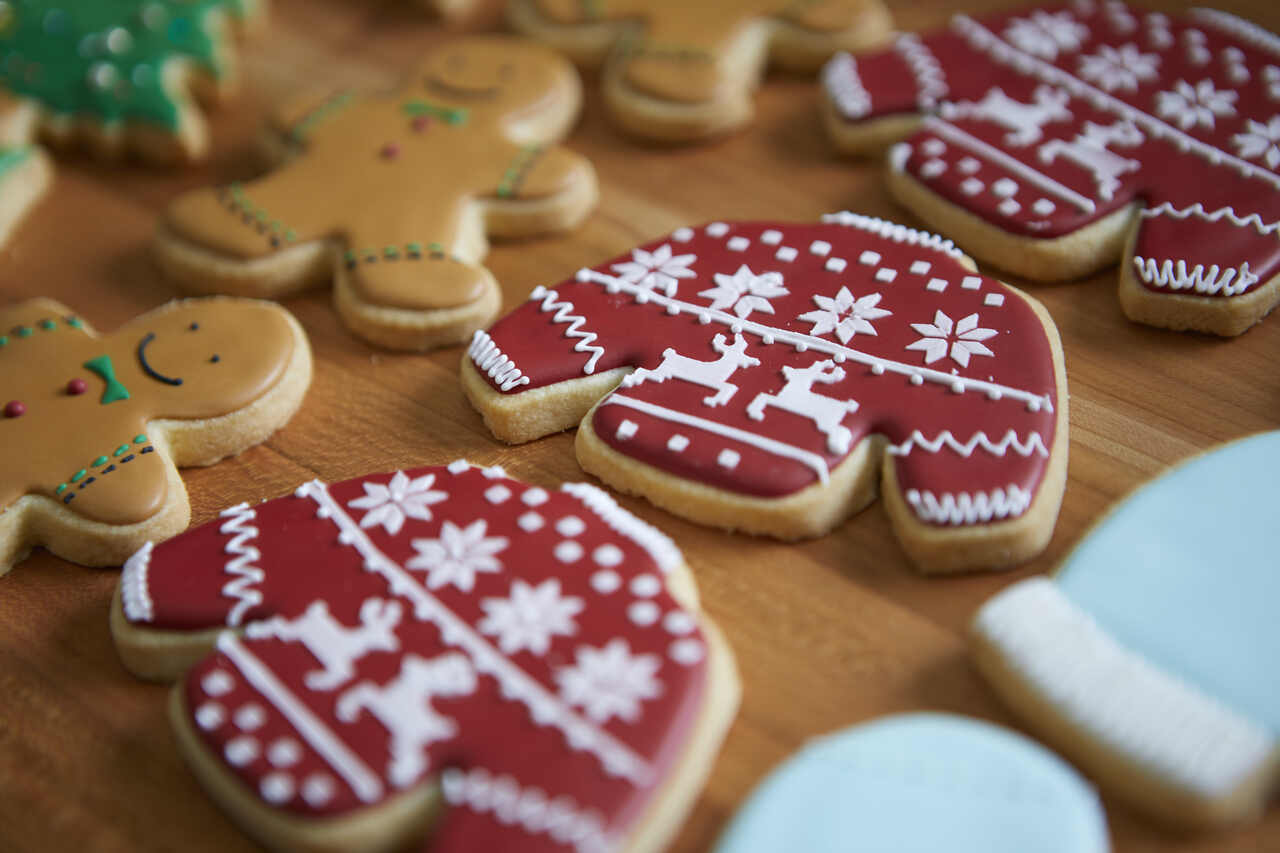
In this unit, you will learn two new shortbread dough making techniques; the sanding method & how to fraser a dough. You’ll also learn how to master making royal icing and adjusting its consistency to fill in, sometimes called “flooding,” large areas of the cookie. |
|
|
Unit Introduction
- Task 154: Unit Introduction and Objectives
- Task 155: Complete a Self-Assessment & Pre-Assessment
|
|
|
Cake Decorating Principles | Butter & Vanilla Shortbread Cookies
- Task 156: Introduction | Butter & Vanilla Shortbread Cookies
- Task 157: Cake Decorating Principles | Butter & Vanilla Shortbread Cookies
|
|
|
Royal Icing for Decorated Cookies
- Task 158: Introduction | Royal Icing for Decorated Cookies
- Task 159: Cake Decorating Principles | Egg White Powder Royal Icing & Fresh Egg White Royal Icing
- Task 160: Cake Decorating Principles | Royal Icing for Flooding Decorated Cookies
|
|
|
Student Activity | Royal Icing for Decorated Cookies
- Task 161: Activity | Make and Bake Shortbread & Decorate the Cookies
|
|
|
Unit Review & Assessment
- Task 162: Unit Review & Quiz Preparation
- Task 163: Unit Assessment
|
End of Unit 10
|
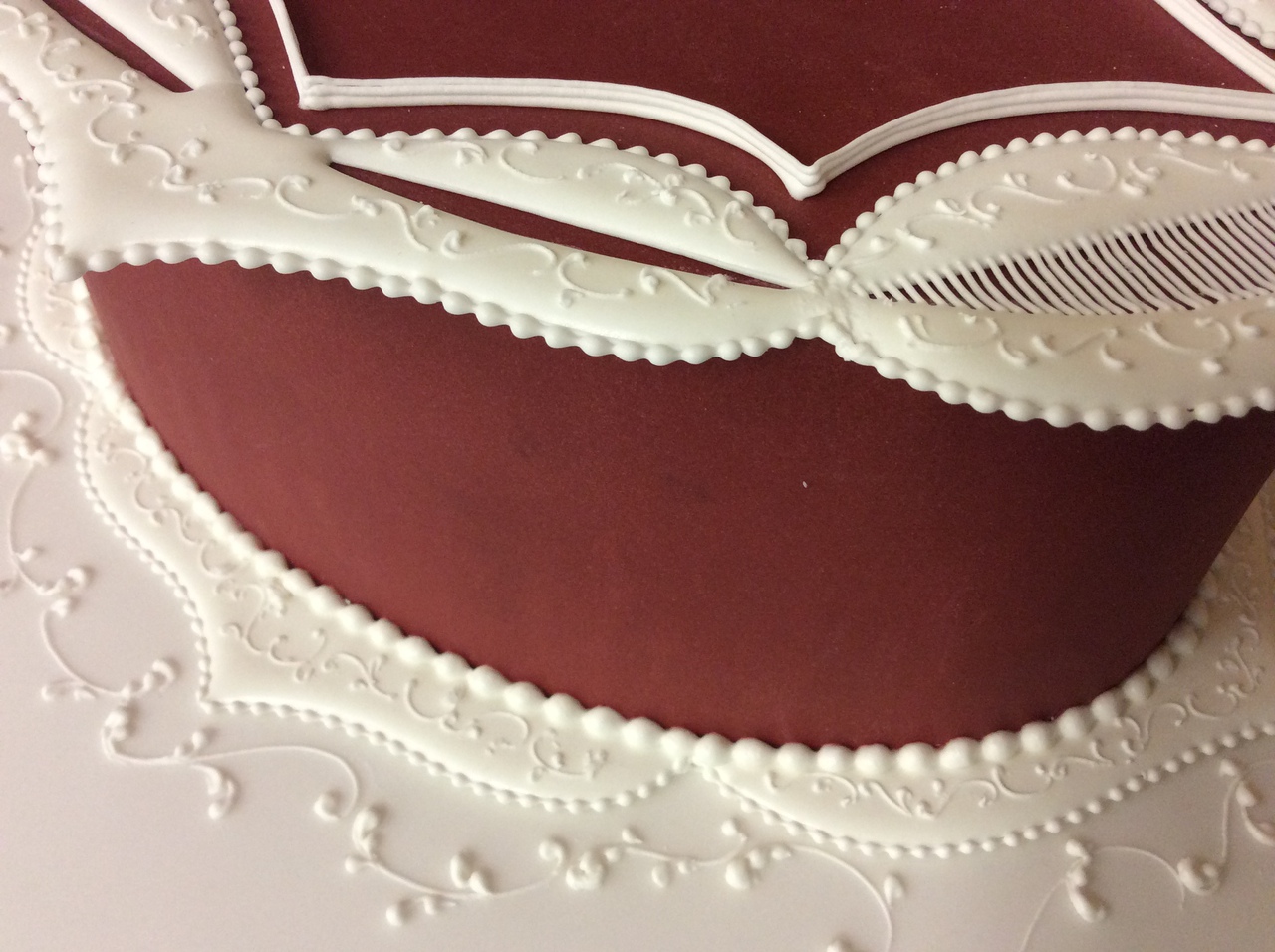
Our focus for this unit is all about teaching royal icing flooding techniques. Royal icing flood work dries smooth and makes ornate decorations on cakes or cookies. For this technique, you’ll learn to dilute royal icing to a fluid consistency and distribute it within an outlined shape. |
|
|
Unit Introduction
- Task 164: Unit Introduction and Objectives
- Task 165: Complete a Self-Assessment & Pre-Assessment
|
|
|
Cake Decorating Principles | Applying Royal Icing Flood Work on Cakes
- Task 166: Applying Royal Icing Flood Work on Cakes
- Task 167: Introduction to Royal Icing Runouts
- Task 168: Introduction to Royal Icing Wings
- Task 169: Introduction to Royal Icing Collar Techniques
- Task 170: Preparation & Outlining the Template
- Task 171: Flooding the Outline & Drying the Collar
- Task 172: Applying the Collar
|
|
|
Student Activity | Flood Work on a Cake
- Task 173: Activity | Flood Work on a Cake
|
|
|
Unit Review & Assessment
- Task 174: Unit Review & Quiz Preparation
- Task 175: Unit Assessment
|
End of Unit 11
|
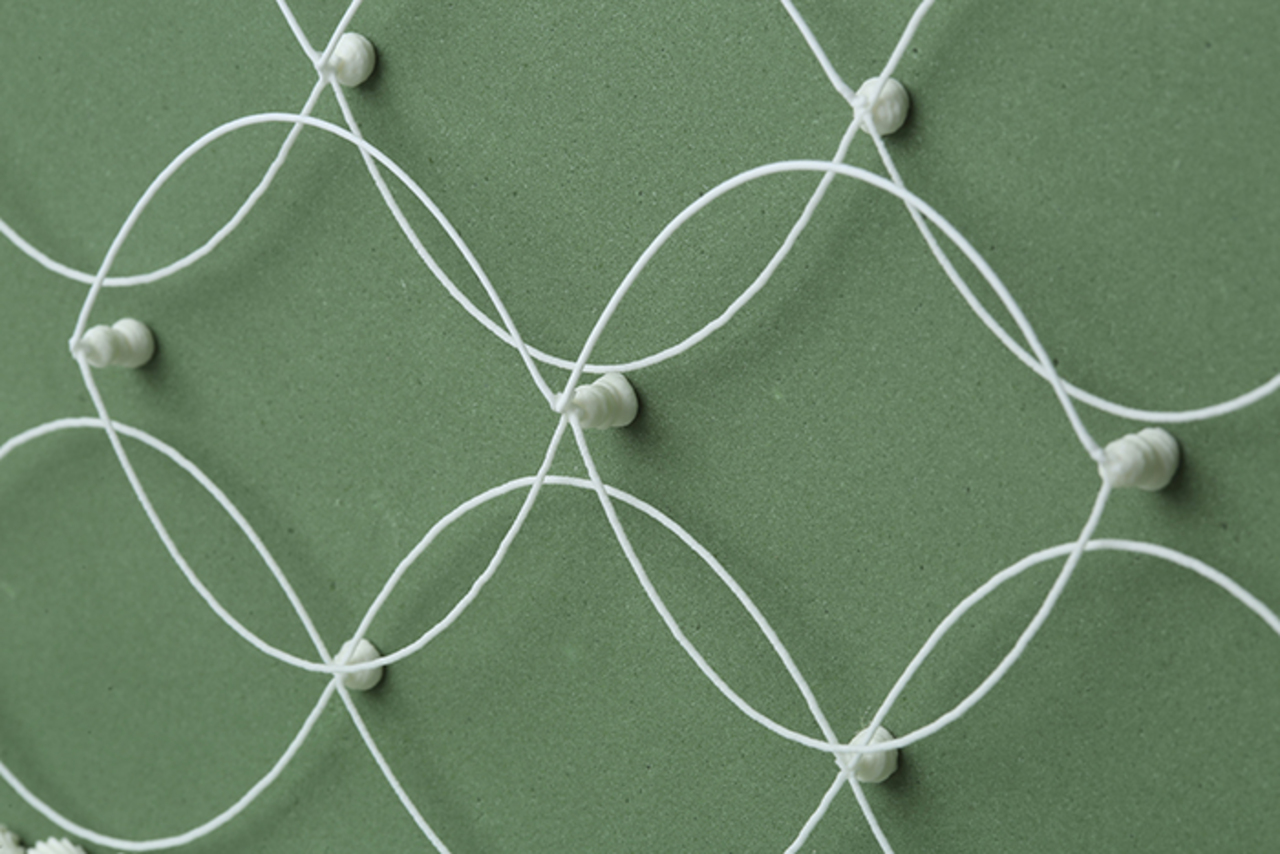
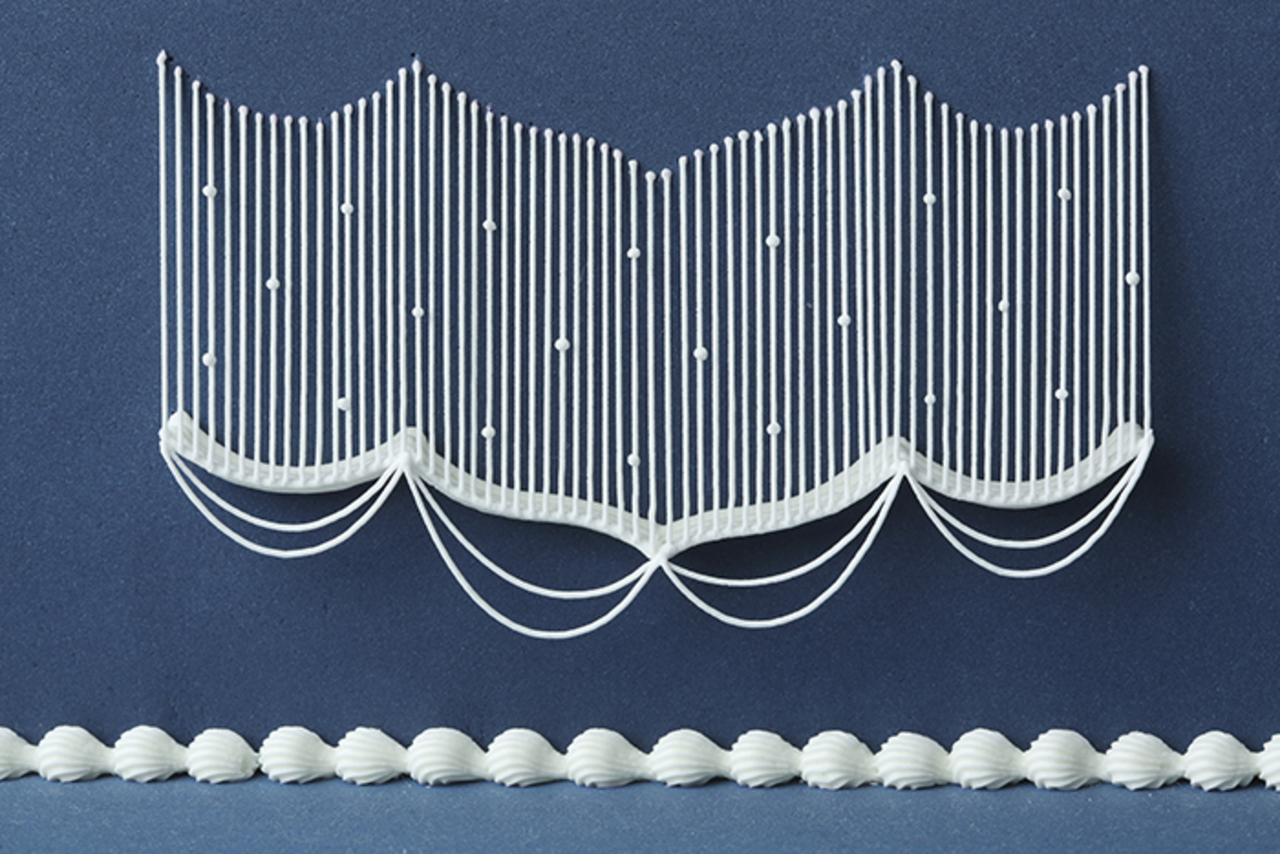
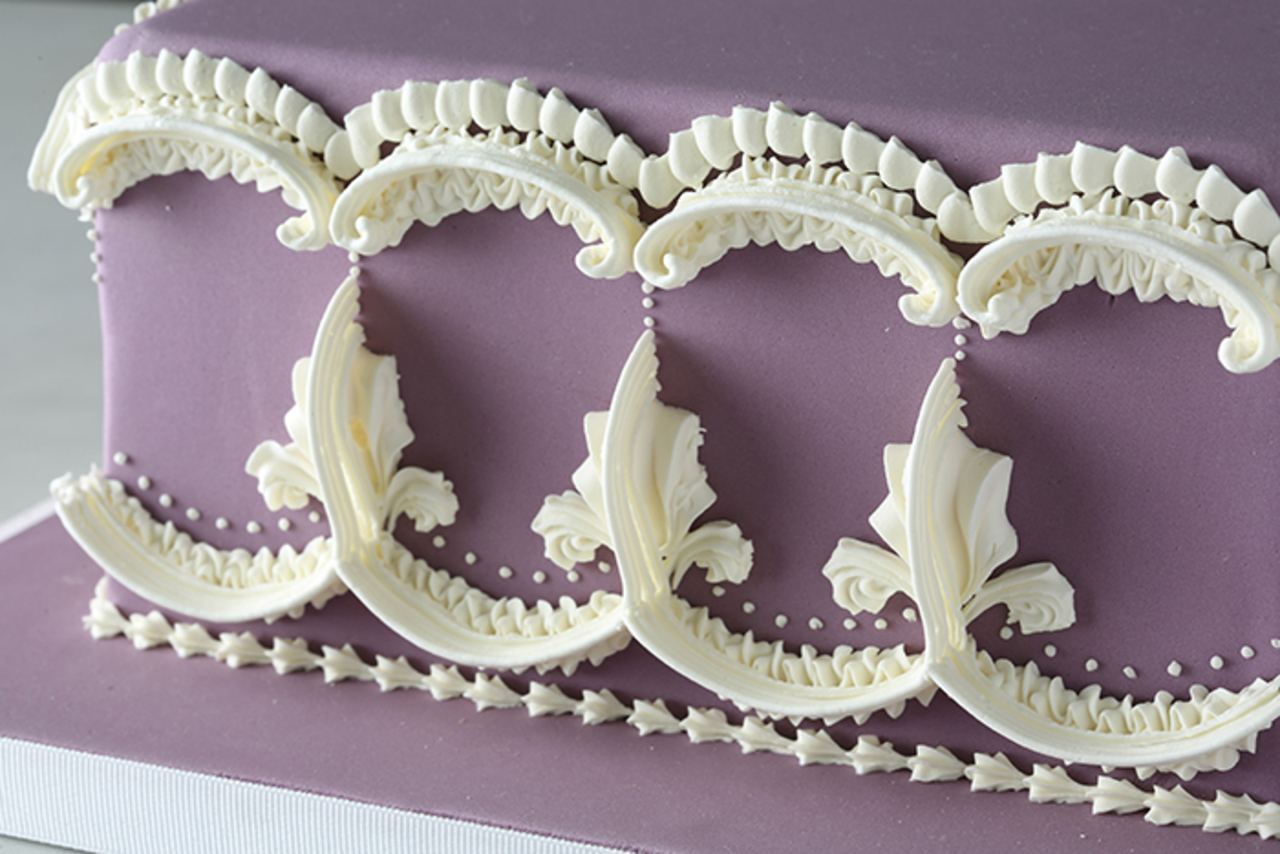
In this unit, our next focus is advanced royal icing piping, including over piping embellishments, Lambeth techniques, and string work. |
|
|
Unit Introduction
- Task 176: Unit Introduction and Objectives
- Task 177: Complete a Self-Assessment & Pre-Assessment
|
|
|
Cake Decorating Principles | Advanced Royal Icing Piping
- Task 178: Advanced Royal Icing Piping
- Task 179: Introduction | Over Piping Embellishments
- Task 180: Introduction | Lambeth Techniques
|
|
|
Cake Decorating Principles | Royal Icing String Work
- Task 181: Royal Icing String Work
- Task 182: Introduction | Basic String Work
- Task 183: Introduction | Oriental String Work
- Task 184: Introduction | Australian Extension String Work
|
|
|
Student Activity | Advanced Royal Icing Piping
- Task 185: Activity | Advanced Royal Icing Piping
|
|
|
Unit Review & Assessment
- Task 186: Unit Review & Quiz Preparation
- Task 187: Unit Assessment
|
End of Unit 12
|
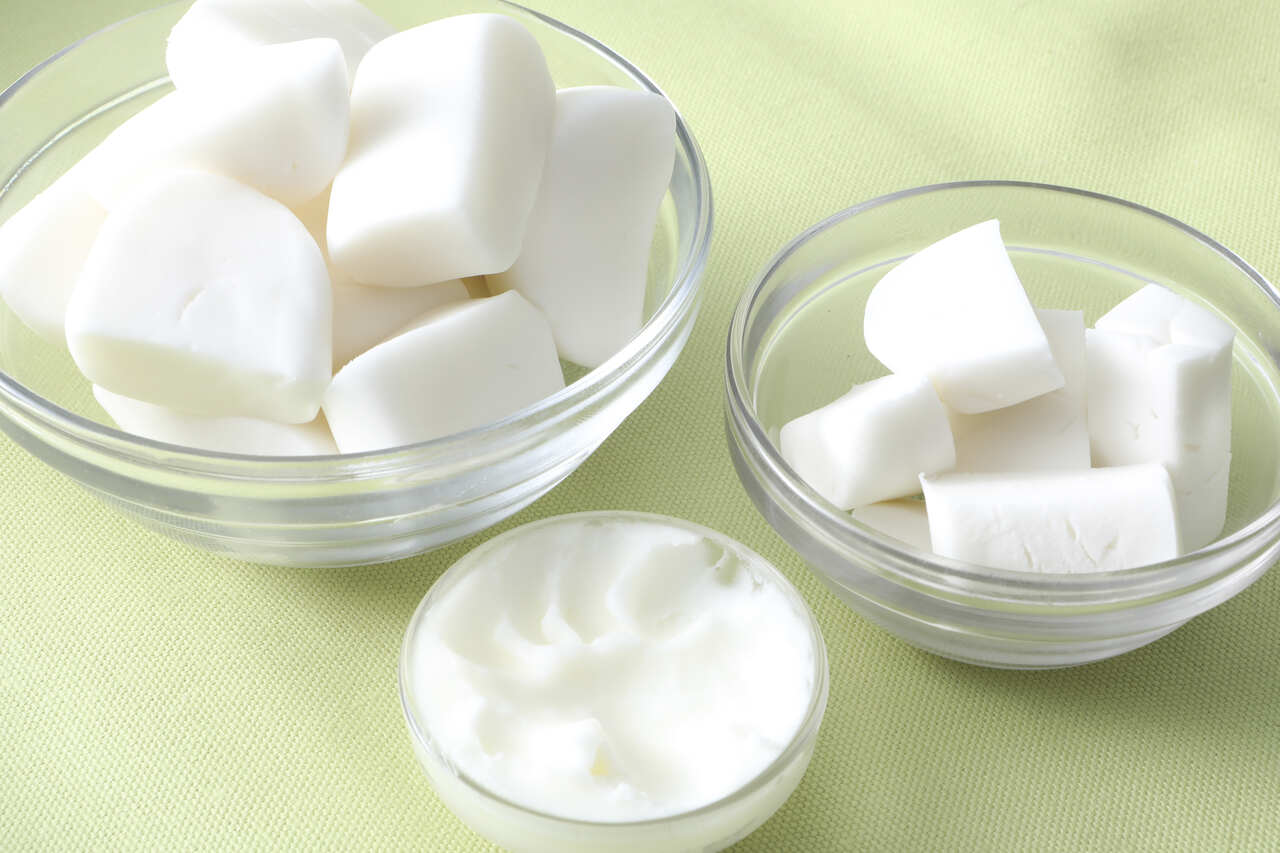
In Unit 13, we’ll introduce a sugar dough called gum paste. Gum paste is used to embellish many cake decorating projects. In this section, we will share our recipe for making gum paste and a modified gum paste that gives you a longer working time. |
|
|
Unit Introduction
- Task 188: Unit Introduction and Objectives
- Task 189: Complete a Self-Assessment & Pre-Assessment
|
|
|
Cake Decorating Principles | Making Gum Paste & Modified Gum Paste
- Task 190: Fundamentals of Making Gum Paste, Modified Gum Paste & Modified Rolled Fondant
|
|
|
Introduction | Edible Glue
- Task 191: Introduction | Edible Glue
|
|
|
Introduction | 50/50 Paste
- Task 192: Introduction | 50/50 Paste
|
|
|
Introduction | Bows
- Task 193: Introduction | Bows
|
|
|
Introduction | Simple Rose
- Task 194: Introduction | Simple Rose
- Task 199: Full-Blown Rose
|
|
|
Student Activity | Gum Paste Decorations
- Task 201: Activity | Gum Paste Decorations
|
|
|
Unit Review & Assessment
- Task 202: Unit Review & Quiz Preparation
- Task 203: Unit Assessment
|
End of Unit 13
|
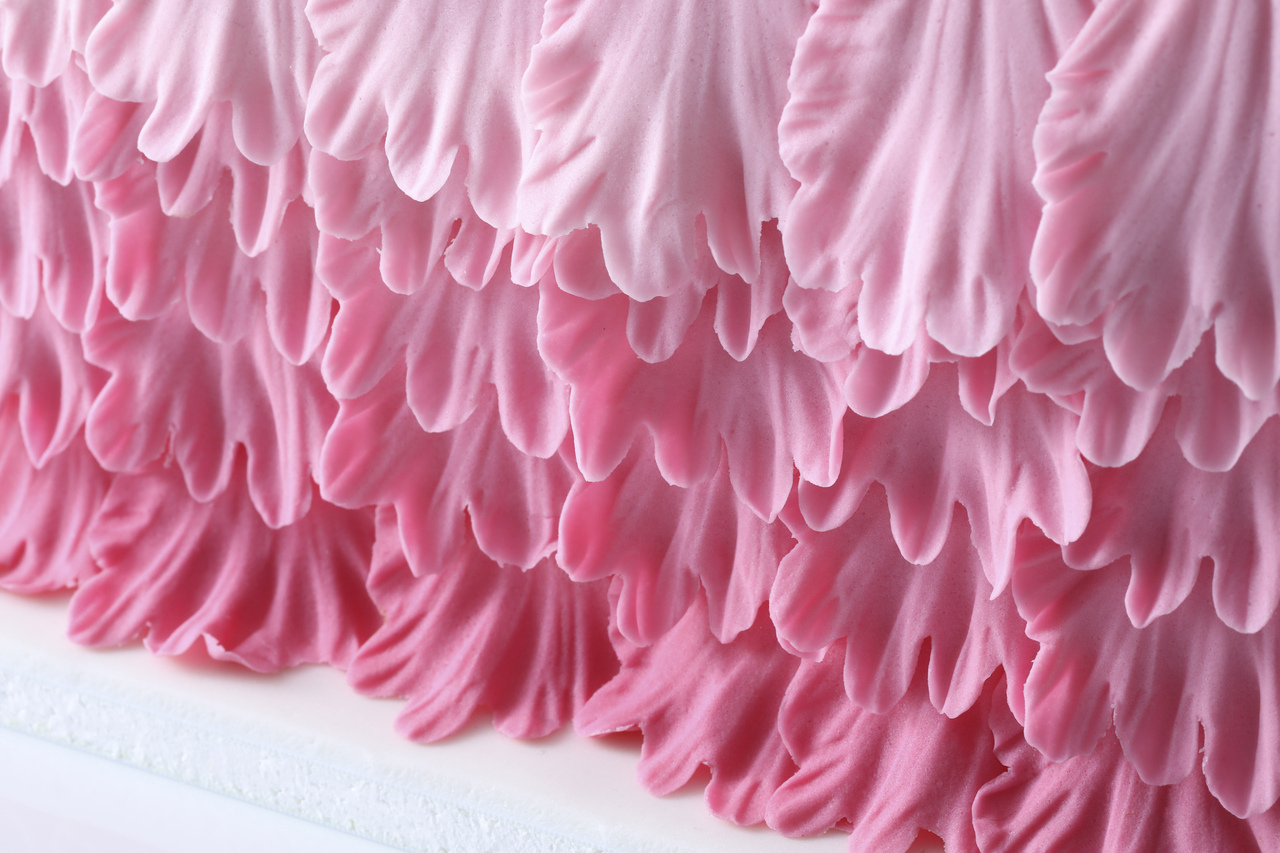
In our advanced sugar paste decorations unit, we’ll demonstrate techniques using fondant, modified fondant, or 50/50 paste for six cakes or cookie decorating embellishments. |
|
|
Unit Introduction
- Task 204: Unit Introduction and Objectives
- Task 205: Complete a Self-Assessment & Pre-Assessment
|
|
|
Cake Decorating Principles | Advanced Sugar Paste Decorations
- Task 206: Cake Decorating Principles | Advanced Sugar Paste Decorations
- Task 207: Introduction | Pearls
- Task 209: Making Small Pearls
- Task 210: Making Pearl Variations
- Task 211: Introduction | Ombré Effects
- Task 213: Peony Petal Ombré
- Task 214: Introduction | Ruffles, Frills & Straight Frills
- Task 218: Introduction | Bas Relief
- Task 219: Introduction | Embossing
- Task 220: Introduction | Stamping
|
|
|
Student Activity | Advanced Sugar Paste Decoration
- Task 221: Activity | Advanced Sugar Paste Decoration
|
|
|
Unit Review & Assessment
- Task 222: Unit Review & Quiz Preparation
- Task 223: Unit Assessment
|
End of Unit 14
|
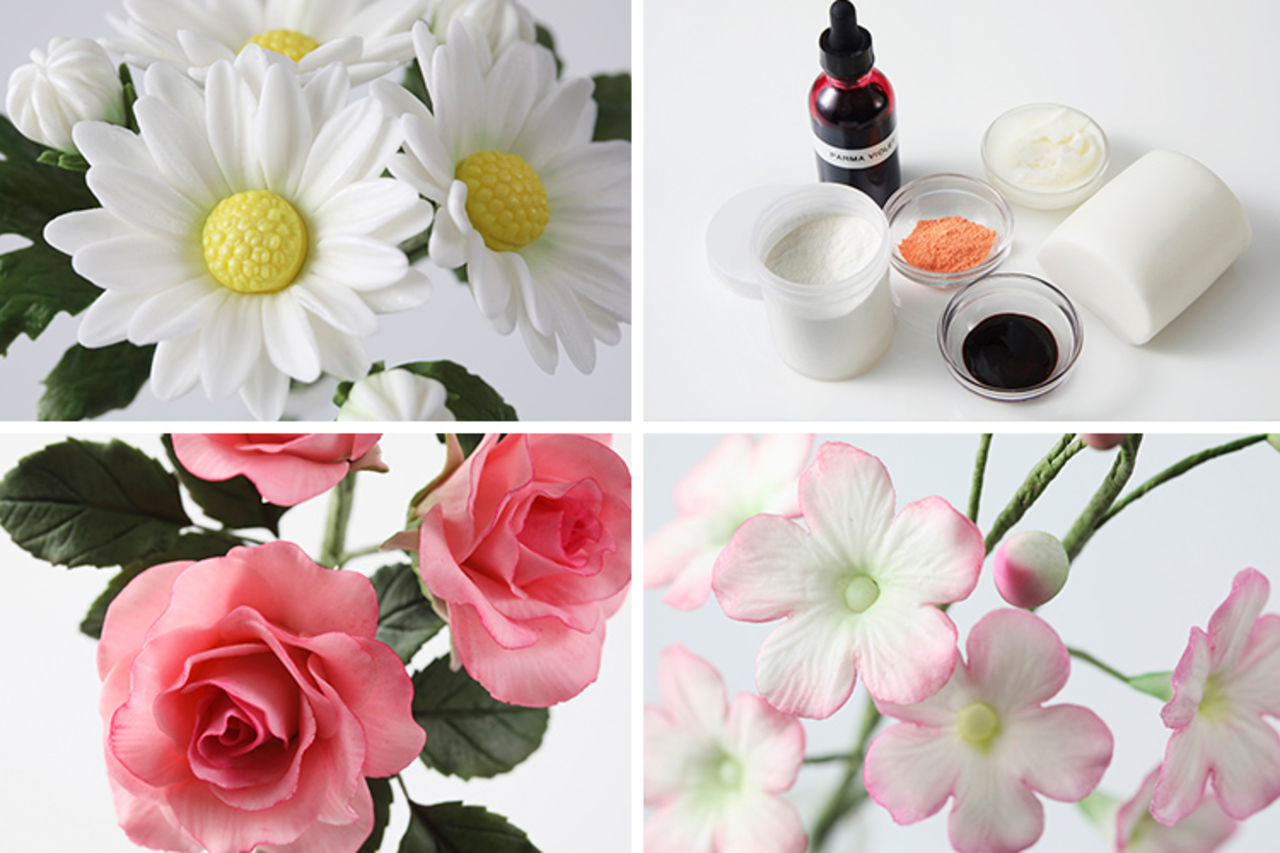
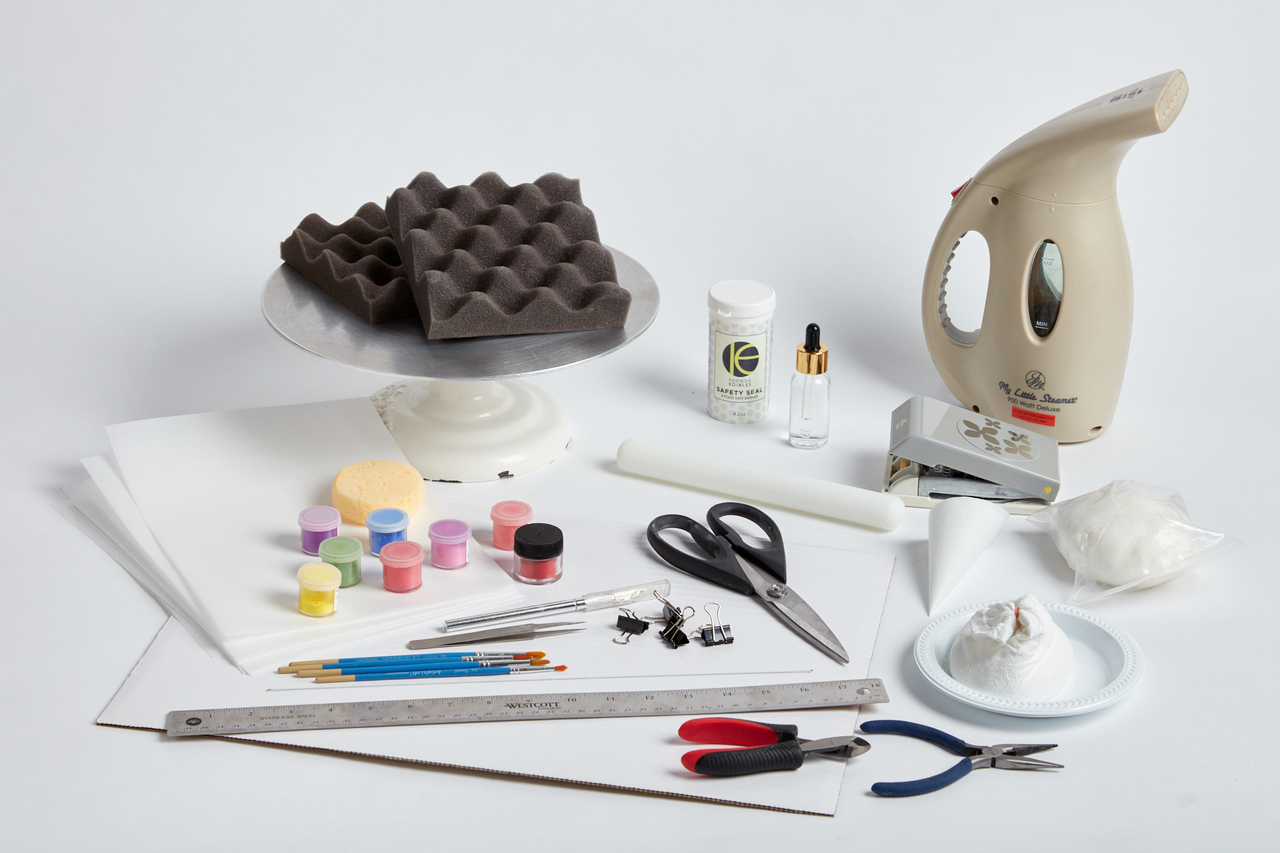
The lessons learned in this section are the cornerstone techniques used for making both beginner and advanced gum paste flowers. Once you’ve mastered these techniques, you will be able to create beautiful gum paste flowers skillfully. |
|
|
Unit Introduction
- Task 224: Unit Introduction and Objectives
- Task 225: Complete a Self-Assessment & Pre-Assessment
|
|
|
Cake Decorating Principles | Beginner Gum Paste Flowers
- Task 226: Cake Decorating Principles | Beginner Gum Paste Flowers
- Task 227: Introduction | Blossom
- Task 228: Introduction | Daisy
- Task 229: Making the Daisy Center
- Task 230: Making the Daisy
- Task 231: Making the Buds
- Task 232: Making the Calyx
- Task 233: Making the Leaves
- Task 234: Assembling the Daisy
- Task 235: Introduction | Carnation
- Task 237: Carnation Mid-Size Flower
- Task 238: Carnation Full-Size Flower
- Task 239: Carnation Calyx
- Task 240: Carnation Finishing Touches
|
|
|
Student Activity | Beginner Gum Paste Flower
- Task 241: Activity | Beginner Gum Paste Flower
|
|
|
Unit Review & Assessment
- Task 242: Unit Review & Quiz Preparation
- Task 243: Unit Assessment
|
End of Unit 15
|
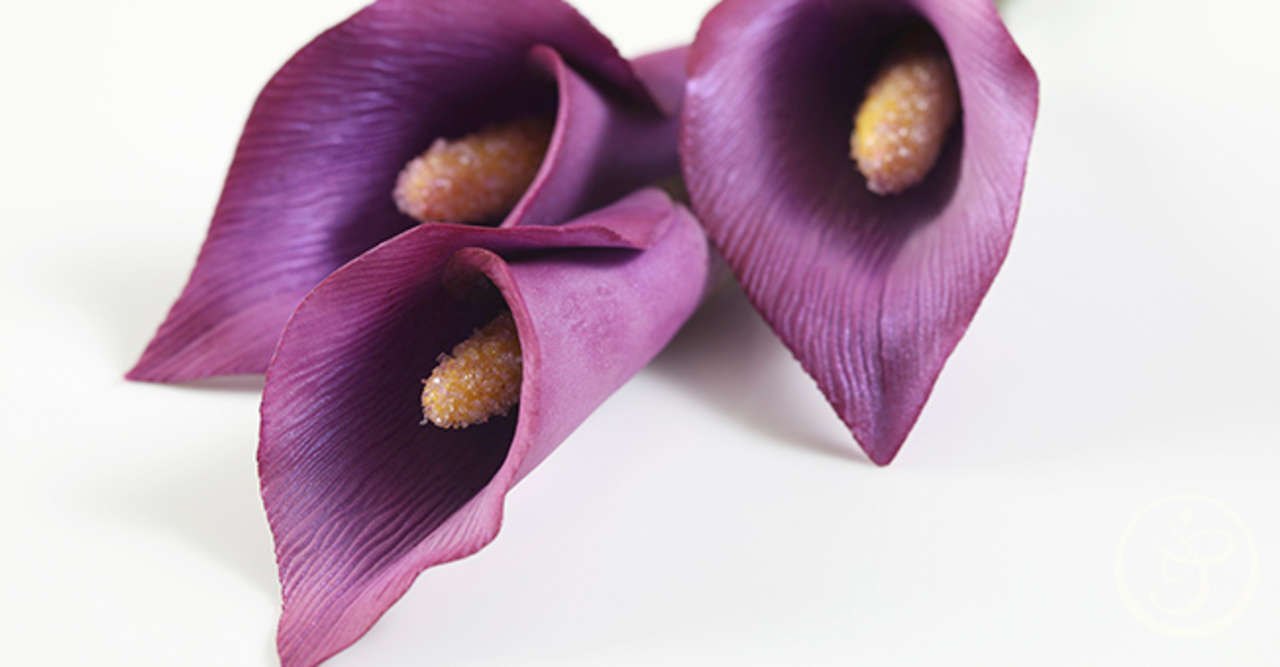
In this unit, you’ll learn complex flower components and tools that help mimic fine flower details. You’ll start by making a rose with multiple petal layers, a bud, calyx, and leaves. |
|
|
Unit Introduction
- Task 244: Unit Introduction and Objectives
- Task 245: Complete a Self-Assessment & Pre-Assessment
|
|
|
Cake Decorating Principles | Advanced Gum Paste Flowers
- Task 246: Advanced Gum Paste Flowers
- Task 247: Introduction | Rose
- Task 248: Unopened Rosebud
- Task 254: Full-Blown Rose
- Task 256: Creating the Ovary
- Task 258: Finishing Touches
- Task 259: Introduction | Hydrangea
- Task 260: Making the Hydrangea Flowers
- Task 262: Hydrangea Leaves
- Task 263: Assembling The Hydrangea Pieces
- Task 264: The Finishing Touches
- Task 265: Introduction | Calla Lily
- Task 266: Calla Lily Spadix
- Task 267: Calla Lily Spathe
- Task 268: Calla Lily Finishing Touches
- Task 269: Introduction | Orchid
- Task 270: Making the Orchid Column
- Task 272: Orchid Sepal & Petals
- Task 273: Assembling the Orchid Pieces
- Task 274: Dusting the Orchid
|
|
|
Student Activity | Advanced Gum Paste Flower
- Task 275: Activity | Advanced Gum Paste Flower
|
|
|
Unit Review & Assessment
- Task 276: Unit Review & Quiz Preparation
- Task 277: Unit Assessment
|
End of Unit 16
|
In this unit, we’ll offer some packaging and delivering tips to prevent mishaps and some basics on presenting the perfect slice. |
|
|
Unit Introduction
- Task 278: Unit Introduction and Objectives
- Task 279: Complete a Self-Assessment & Pre-Assessment
|
|
|
Cake Decorating Principles| Packaging, Cutting, and Serving Cake
- Task 280: Packaging, Cutting, and Serving Cake
- Task 281: Introduction | Serving Cakes & Garnishing
- Task 282: Introduction | How to Cut a Cake
- Task 283: Introduction | How to Box & Deliver Cakes
|
|
|
Unit Review & Assessment
- Task 284: Unit Review & Quiz Preparation
- Task 285: Unit Assessment
|
End of Unit 17
|
Unit 18 focuses on using modeling chocolate to create three-dimensional designs. Modeling chocolate is an excellent substitute for fondant because it is pliable and dries hard. |
|
|
Unit Introduction
- Task 286: Unit Introduction and Objectives
- Task 287: Complete a Self-Assessment & Pre-Assessment
|
|
|
Cake Decorating Principles | Modeling Chocolate
- Task 288: Cake Decorating Principles | Modeling Chocolate
- Task 289: Introduction | Modeling Chocolate Figures
|
|
|
Student Activity | Make Modeling Chocolate Figures
- Task 290: Activity | Make Modeling Chocolate Figures
|
|
|
Unit Review & Assessment
- Task 291: Unit Review & Quiz Preparation
- Task 292: Unit Assessment
|
End of Unit 18
|
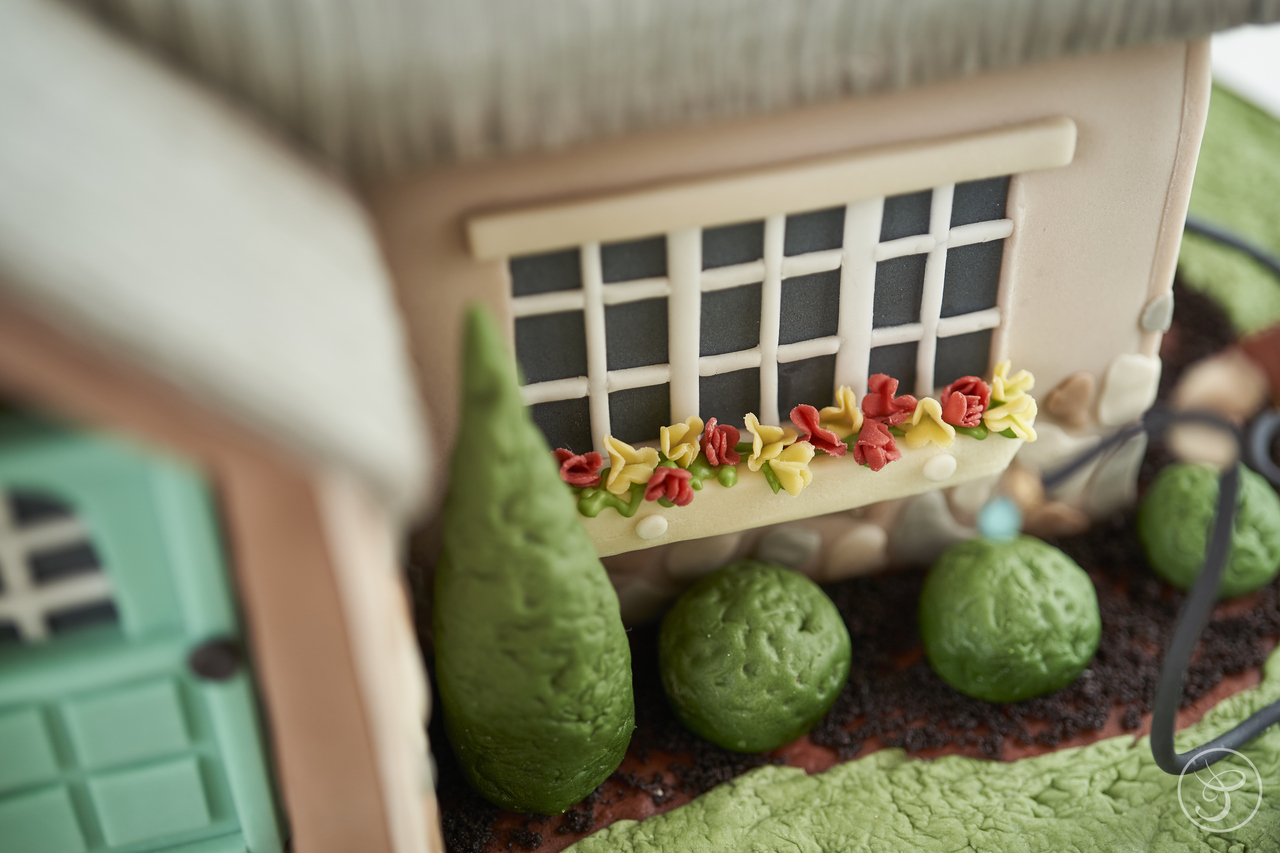
Before you begin the sculpted cottage cake for your capstone project, you’ll prepare the mise en place. The advanced preparation for the cottage cake is extensive, so we’ve dedicated unit 19 for prep. |
|
|
Unit Introduction
- Task 293: Unit Introduction and Objectives
|
|
|
Introduction | Sculpted Cottage Cake Preparation - Preparing the Components
- Task 294: Sculpted Cottage Cake Preparation - Preparing the Components
- Task 295: Prepare the White Cake
- Task 296: Prepare the Swiss Buttercream
- Task 297: Prepare the Rolled Fondant
- Task 298: Prepare the Fresh Egg White Royal Icing
- Task 299: Prepare the Edible Glue
- Task 300: Prepare the Modeling Gum Paste Flower Boxes & Flowers
- Task 301: Prepare the Rice Crispy Mixture for the Sculpted Cottage Cake
|
End of Unit 19
|
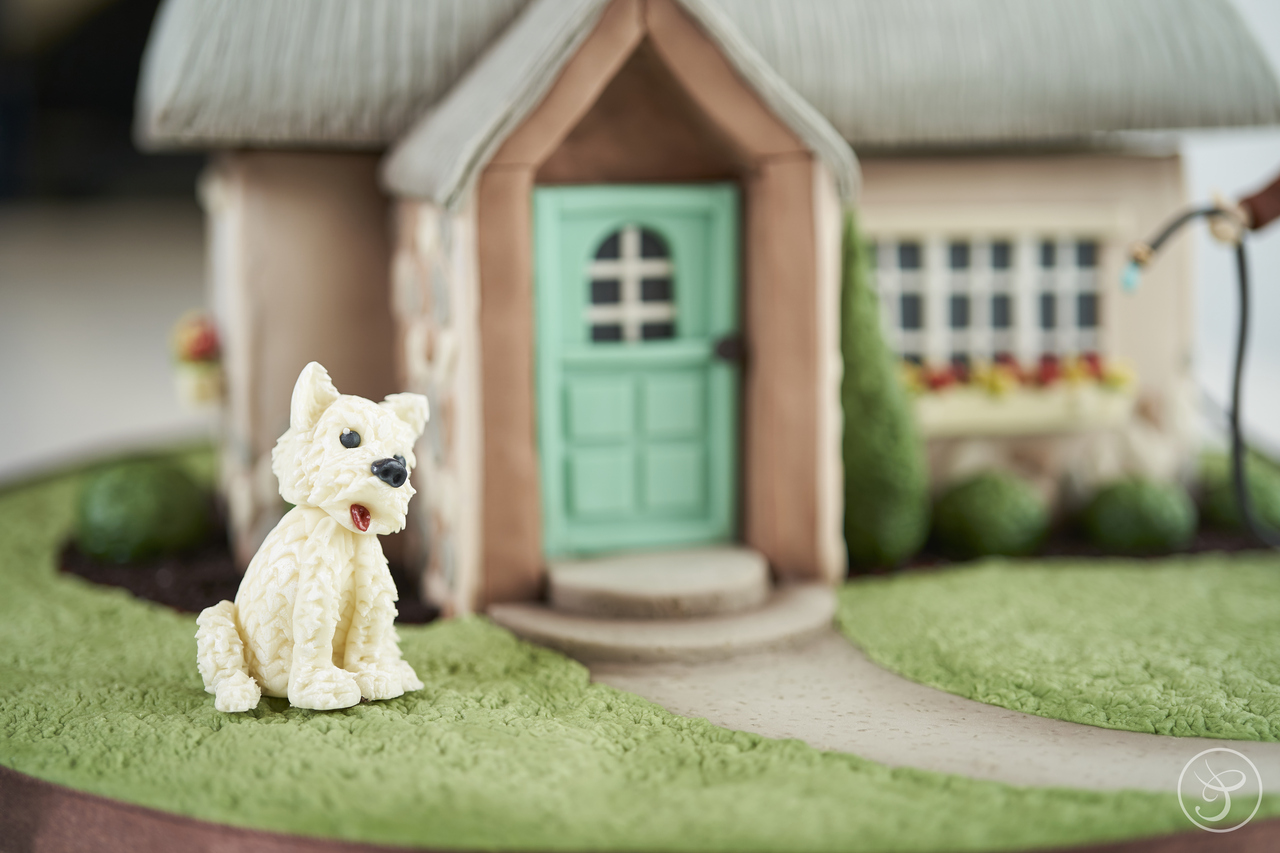
The capstone to our Cake Baking and Decorating Arts course represents the culmination of your experience and must be marked with a celebration cake. We challenge you to prepare the components and sculpt a cottage cake for a special event of your choice, like a birthday party. |
|
|
Sculpting a Cottage Cake
- Task 302: Unit Introduction to Sculpting a Cottage Cake
- Task 303: Capstone Activity | Sculpting a Cottage Cake
|
|
|
Preparations for the Sculpted Cottage Cake
- Task 304: Cutting the Cottage Cake
- Task 305: Making the Tiers
- Task 306: Preparing the Cake for Decorations
- Task 307: Stacking the Roof
- Task 308: Making the Landscape
- Task 309: Preparing the Window Trim & Rice Crispie Door
- Task 310: Adding the Window Trim & House Number Plaque
- Task 311: The Finishing Touches
- Task 312: Capstone Activity | Image Upload for Sculpting a Cottage Cake
|
|
|
Final Course Assessment & Resources
- Task 313: Your Final Exam Preparation
- Task 314: Final Exam Review and Preparation
- Task 315: Final Course Assessment
- Task 316: Survey | Share Your Overall Course Feedback
- Task 317: Books, Websites & Other References
|
End of Unit 20
|
Course Description
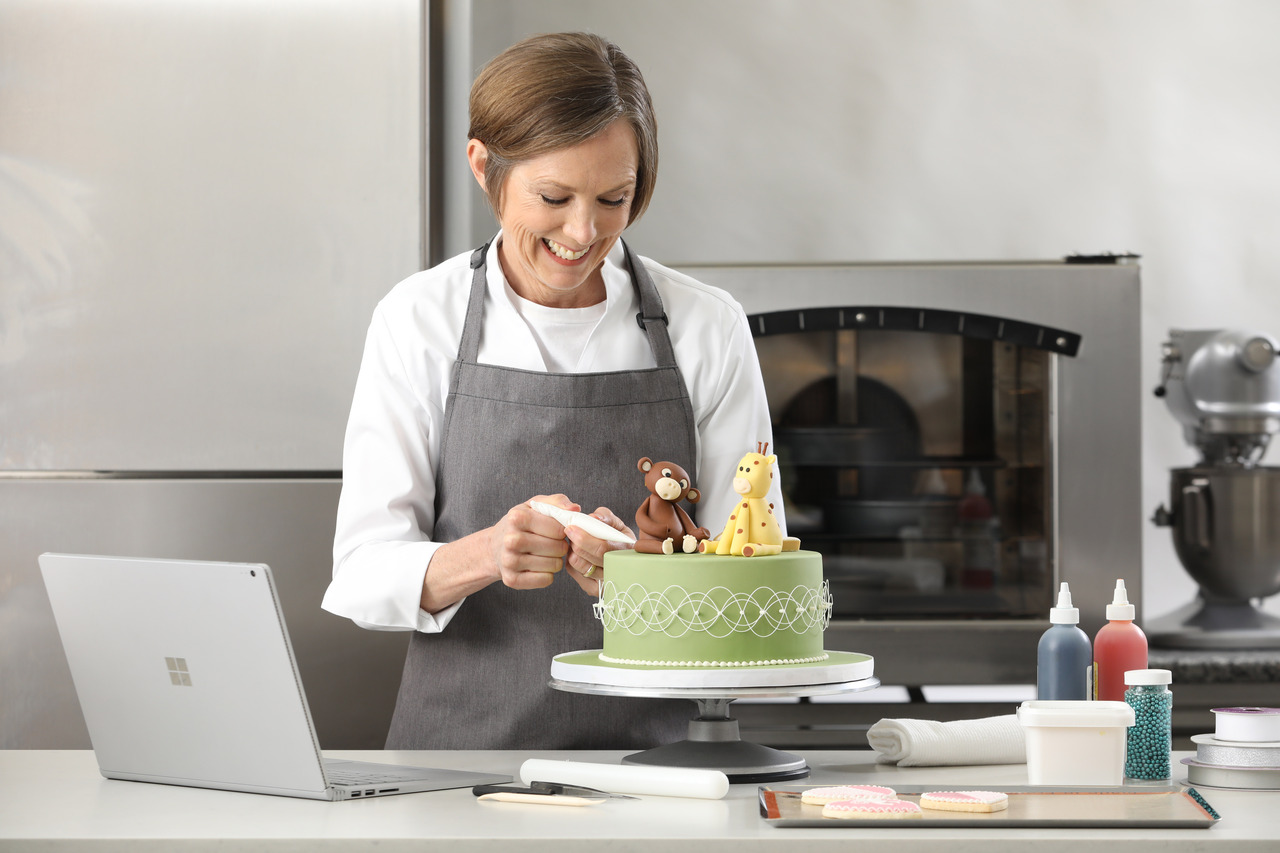
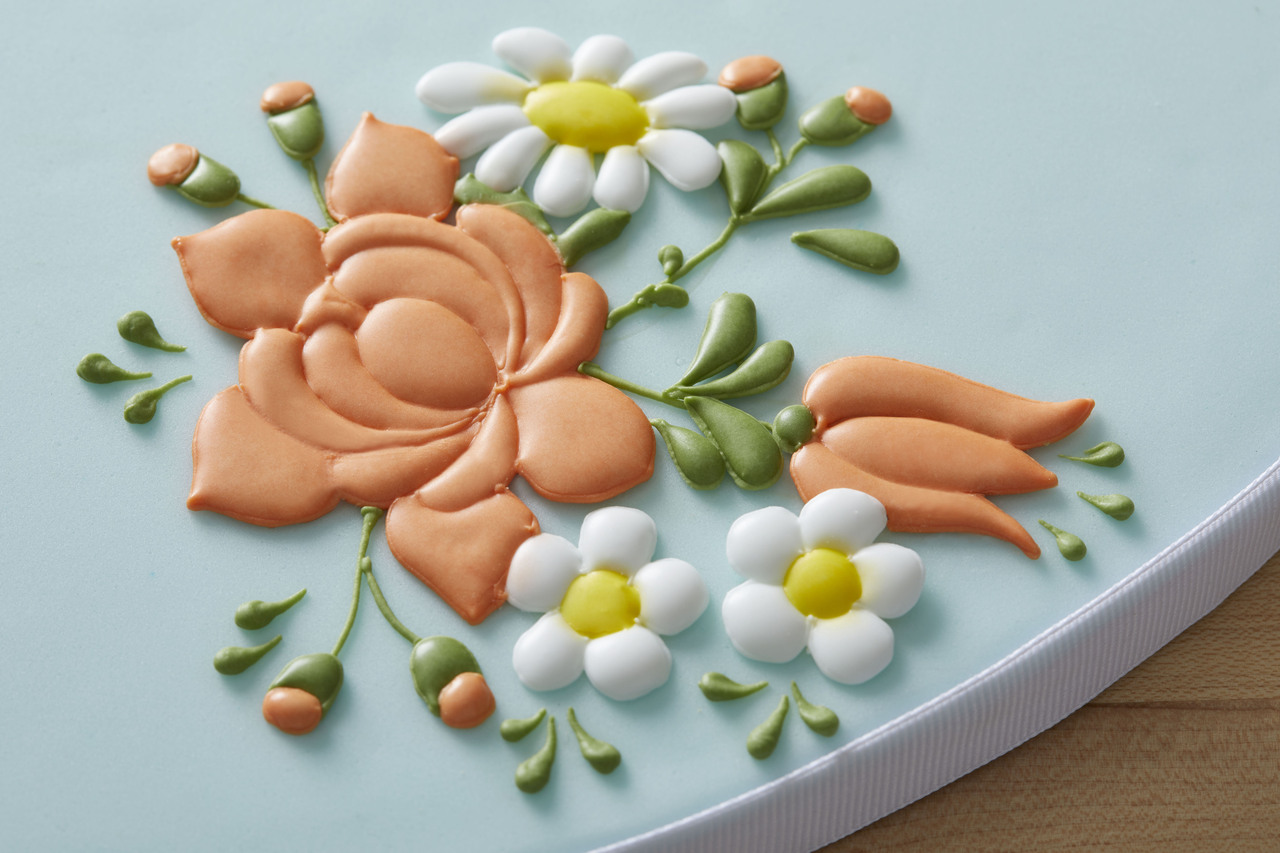
Developed by The French Pastry School master bakers, Jacquy Pfeiffer and Sébastien Canonne, M.O.F., this immersive course dives into cake baking and decorating at the highest standard. Students will learn the principles of baking science and how to execute more than 80 recipes ranging from classic sponge cake to traditional buttercream.
Course Highlights
- 180-hour | 20 Units | 300+ Tasks | 140 Videos
- More than 140 high-definition instructional videos
- Recognized by the American Culinary Federation Education Foundation as an approved program
- 100% online & self-paced with 17 Chef Graded Assignments
- Certification upon completion
Course Objectives
- Create and organize an environment for your cake baking & decorating course
- Understand the fundamental role of cornerstone ingredients in cake making
- Differentiate between the types of fats and how each is applied in recipes
- Understand the different techniques for a hot and cold process sponge
- Understand the different techniques for the three types of buttercream – French, Italian, and Swiss
- Practice covering a cake and cake board in rolled fondant
- Practice piping using buttercream and chocolate mediums
- Learn how to flood or fill in a cookie with fluid royal icing
- Practice flooding with royal icing runouts, wings, and collars
- Learn three-string work techniques: basic, Oriental, and Australian Extension
- Recognize the proper consistency of gum paste, modified gum paste, and 50/50 paste
- Apply the advanced sugar paste decoration principles to make pearls, ombré effects, ruffles, frills, bas relief, embossing, and stamping
- Identify the use of proper equipment and tools to make basic gum paste flowers
- Create up to three three-dimensional figures to apply to the sculpted cake
Enroll Now $699.00
|